Media
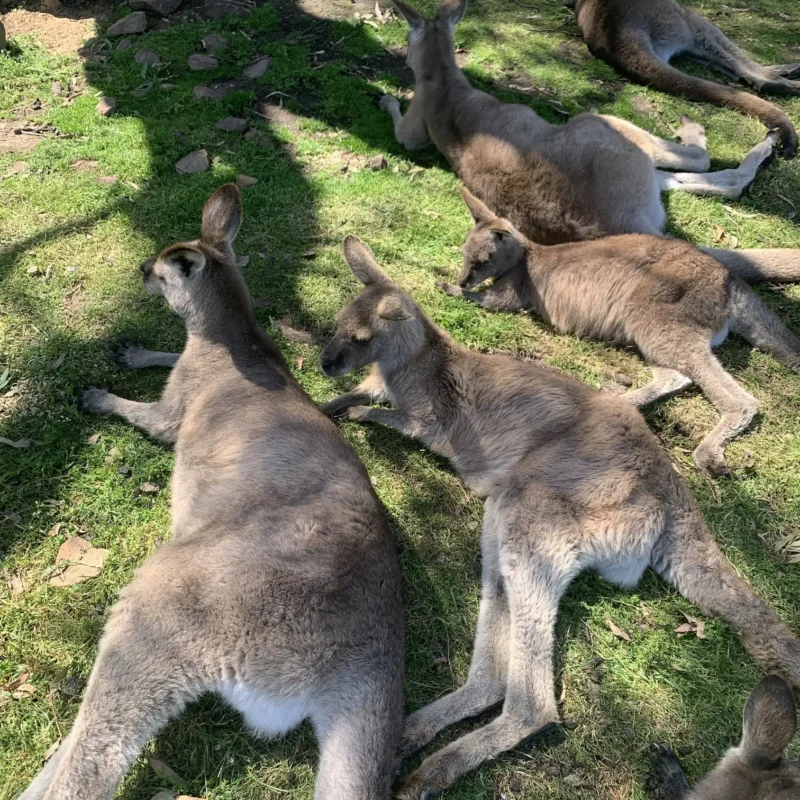
Aussie Kangaroos
Australian Wildlife Guide Few animals define Australia quite like Aussie kangaroos. Recognised worldwide as an iconic cultural symbol, the kangaroo

Australian Wildlife Guide Few animals define Australia quite like Aussie kangaroos. Recognised worldwide as an iconic cultural symbol, the kangaroo
From wild koalas dozing in Great Ocean Road eucalyptus canopies and Little Penguins waddling ashore at dusk on Phillip Island to Australian fur seals, kangaroos, wombats, and ancient Daintree rainforest species—discover where and how to ethically encounter Australia’s extraordinary wildlife in the wild.
Isolated for millions of years, Australia is home to some of the world’s most distinctive wildlife—over 80 percent of its mammals, reptiles, and frogs are found nowhere else on Earth. Whether you’re scanning the treetops along Kennett River, watching fur seals at Seal Rocks, or cruising tropical billabongs in Kakadu and the Daintree, our guides share the best times, locations, and conservation insights for unforgettable sightings.
Browse our Australian wildlife articles below, or join our Phillip Island Penguin Parade Tour and small-group Melbourne wildlife tours.
 Eucalypt Woodlands
Spot wild koalas in the manna gums of Kennett River and Cape Otway, and see mobs of eastern grey kangaroos grazing at dawn and dusk in the Grampians.
 Coastal & Marine Life
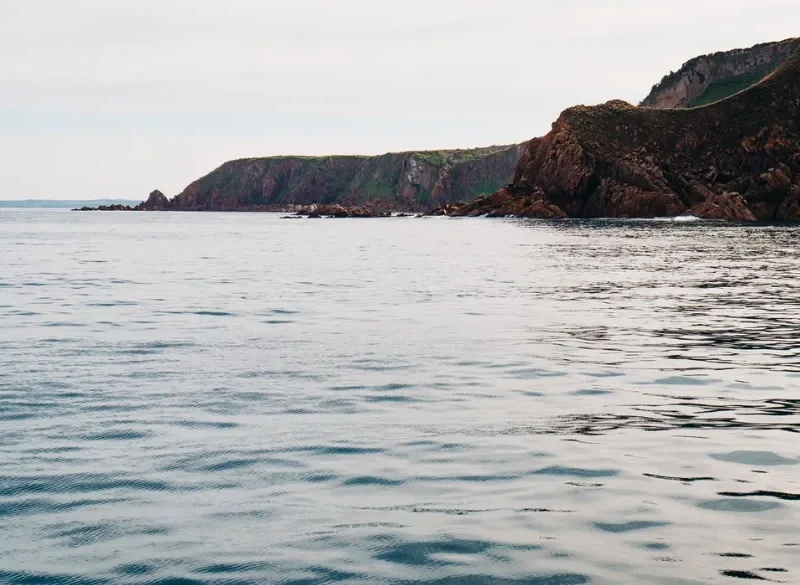
Witness Little Penguins return from Bass Strait at sunset on Phillip Island, cruise past Australian fur seals at Seal Rocks, and spot migrating whales along the coast.
 Tropical Ecosystems
Explore ancient Daintree Rainforest canopies and Kakadu billabongs teeming with saltwater crocodiles, southern cassowaries, jabirus, and vibrant tropical birdlife.
 Endemic Species
Discover Australia’s rarest endemic marsupials—from bare-nosed wombats at Cradle Mountain and Tasmanian devils to quokkas, platypuses, and echidnas.
Many of Australia’s native animals are crepuscular or nocturnal—most active around sunrise, late afternoon, and dusk. Keeping a respectful distance, never feeding wild animals, turning off camera flash near penguins, and travelling with knowledgeable local guides helps protect fragile habitats while giving you the best chance of natural sightings.
Early morning (around sunrise) and late afternoon through dusk are the best times to see kangaroos, wallabies, and wombats actively grazing. Koalas sleep up to 18–20 hours a day in eucalyptus forks, making them easiest to spot stationary in the treetops during daylight hours along places like Kennett River and Raymond Island.
Phillip Island—around 90 minutes southeast of Melbourne—is famous for its sunset Little Penguin parade at Summerlands Beach, alongside koala woodland boardwalks at the Koala Conservation Reserve and offshore fur seal colonies at Seal Rocks.
While wild animals roam freely in national parks and coastal reserves, experienced local guides know the exact feeding grounds, roosting trees, and dusk timing that make sightings of koalas, kangaroos, wallabies, and Little Penguins remarkably consistent year-round.
No—feeding or touching wildlife in the wild is harmful to their health and strictly prohibited in Australian national parks and reserves. Always observe from designated boardwalks and viewing platforms, and keep flash photography switched off around nocturnal species like Little Penguins.
Join our Phillip Island Penguin Tour or explore all Melbourne Wildlife & Nature Tours.