Uluru Is a Giant Sandstone Monolith
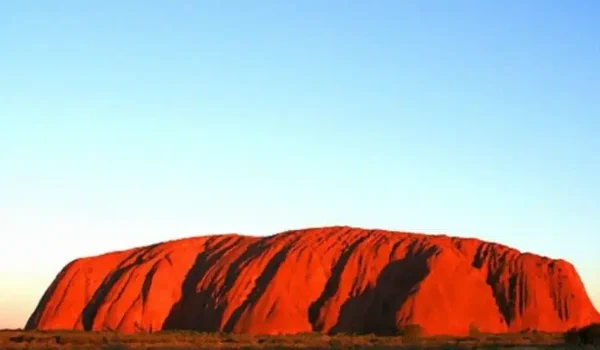
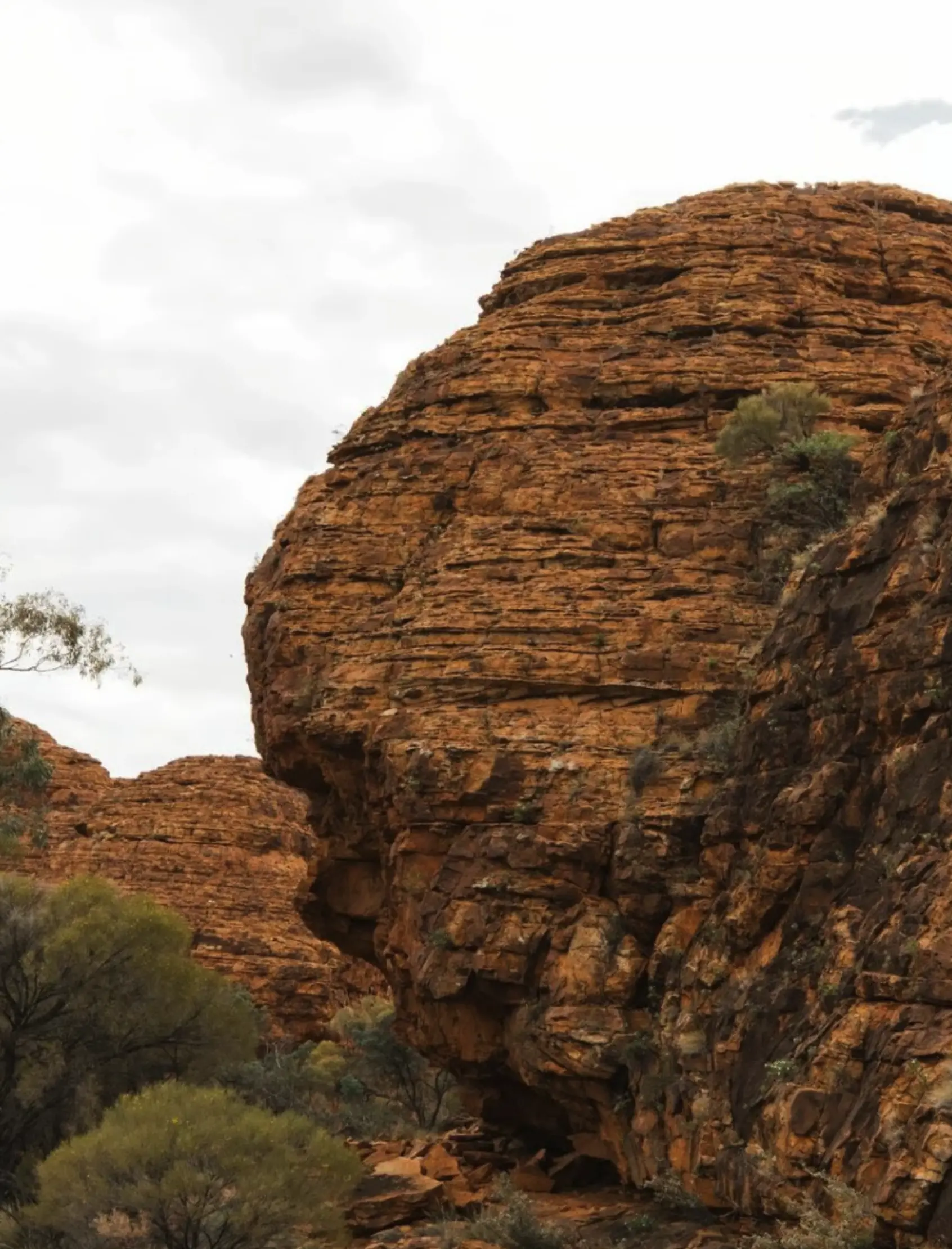
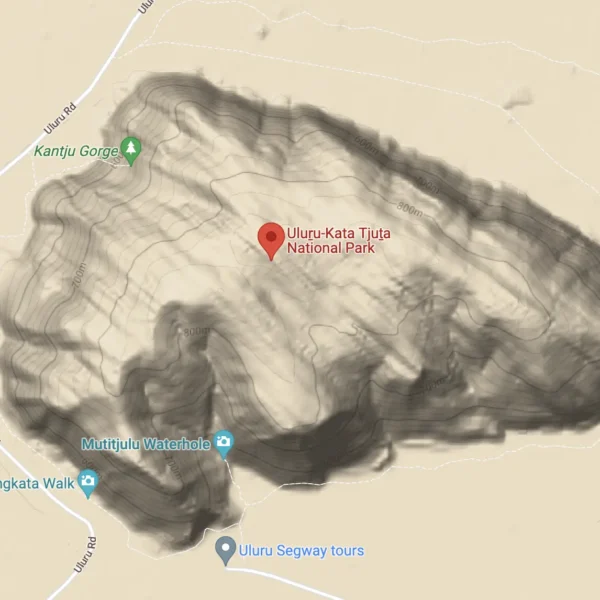
Standing 348 metres tall (863 metres above sea level) with a base circumference of 9.4 km, Uluru is composed of arkose sandstone rich in feldspar and iron. Most of the formation actually extends several kilometres underground—explore the full geology of Uluru to see how ancient tectonic forces tilted it upright.
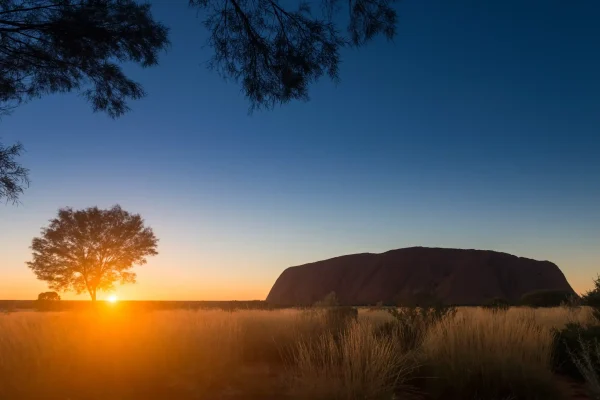
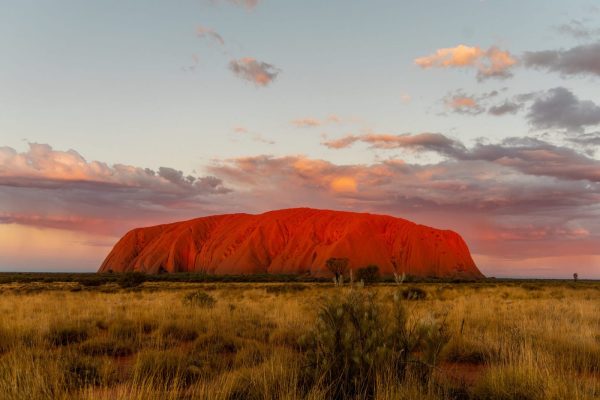
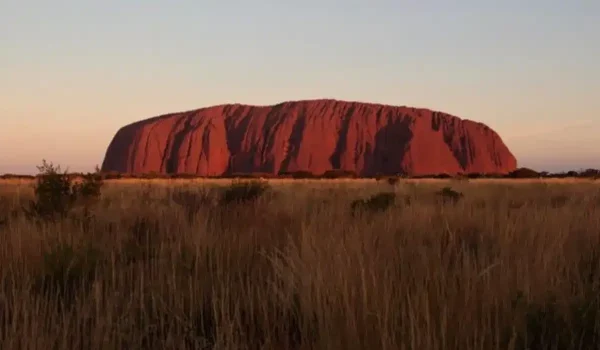
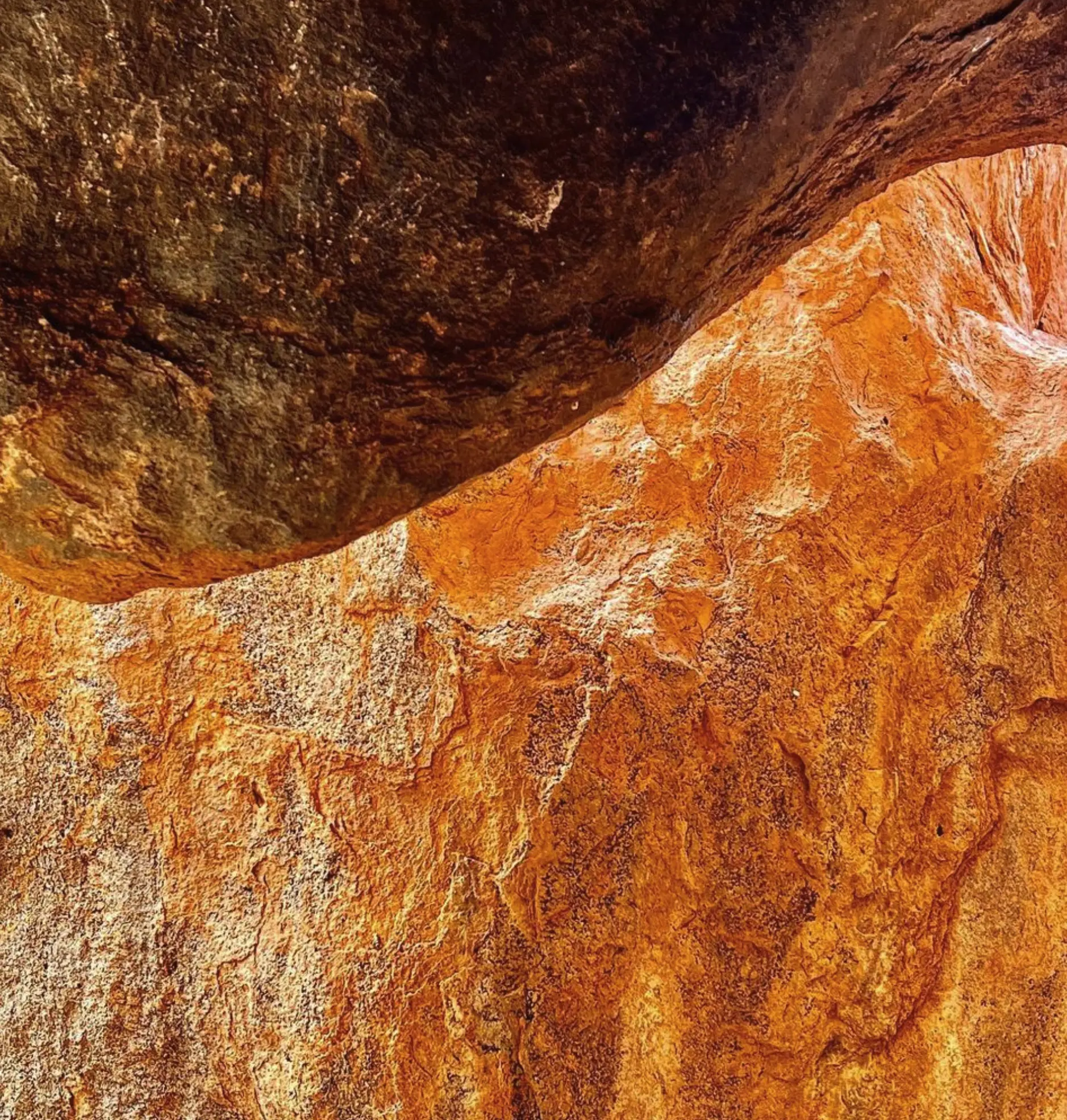
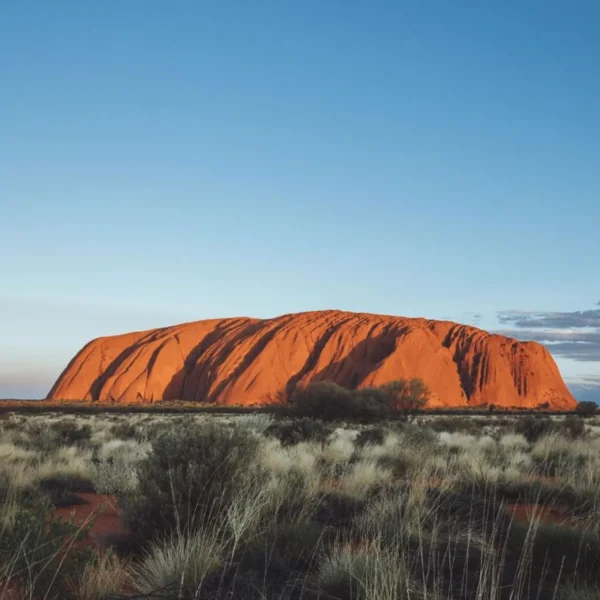
One of the most famous facts about Uluru is how dramatically it shifts colour throughout the day—glowing fiery crimson at dawn and dusk, and shifting through ochre, terracotta, and deep violet as sunlight filters through desert dust and reflects off iron oxide in the rock. Plan your viewing with our guide to sunrise and sunset views at Uluru.
Uluru Is a Sacred Aṉangu Site
For tens of thousands of years, Uluru has been a deeply sacred landscape for the local Aṉangu people. Under Tjukurpa (traditional law and Creation stories), ancestral beings shaped the monolith during the Creation period, leaving physical imprints across its cliffs, caves, and waterholes—learn more about the cultural significance of Uluru.
Climbing Uluru Is Permanently Closed
Because the route up the rock crosses a sacred Dreaming track and poses serious safety risks, the Aṉangu traditional owners consistently asked visitors not to climb. On 26 October 2019—the 34th anniversary of Uluru’s handback to its traditional owners—the Uluru climb was permanently closed, inviting travellers to experience the rock respectfully from the ground.
Uluru Connects Many Sacred Sites
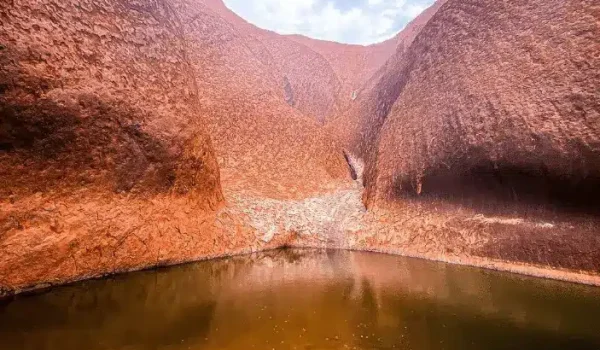
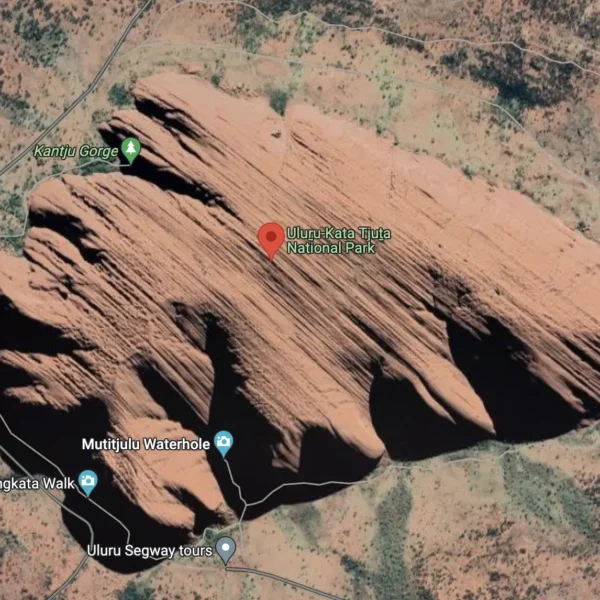
Rather than a single uniform rock, Uluru comprises dozens of distinct sacred sites, shaded caves, permanent waterholes like Mutitjulu, and ancestral Dreaming tracks. Some areas remain restricted to initiated Aṉangu men or women and must not be photographed.
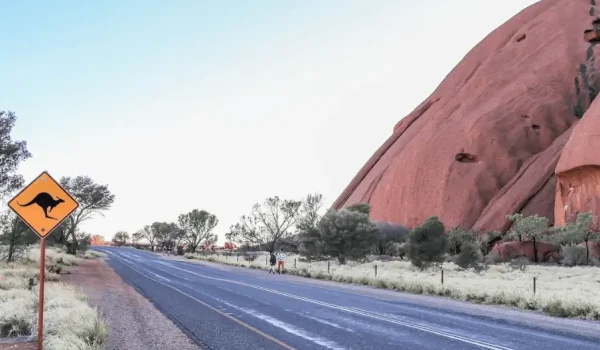
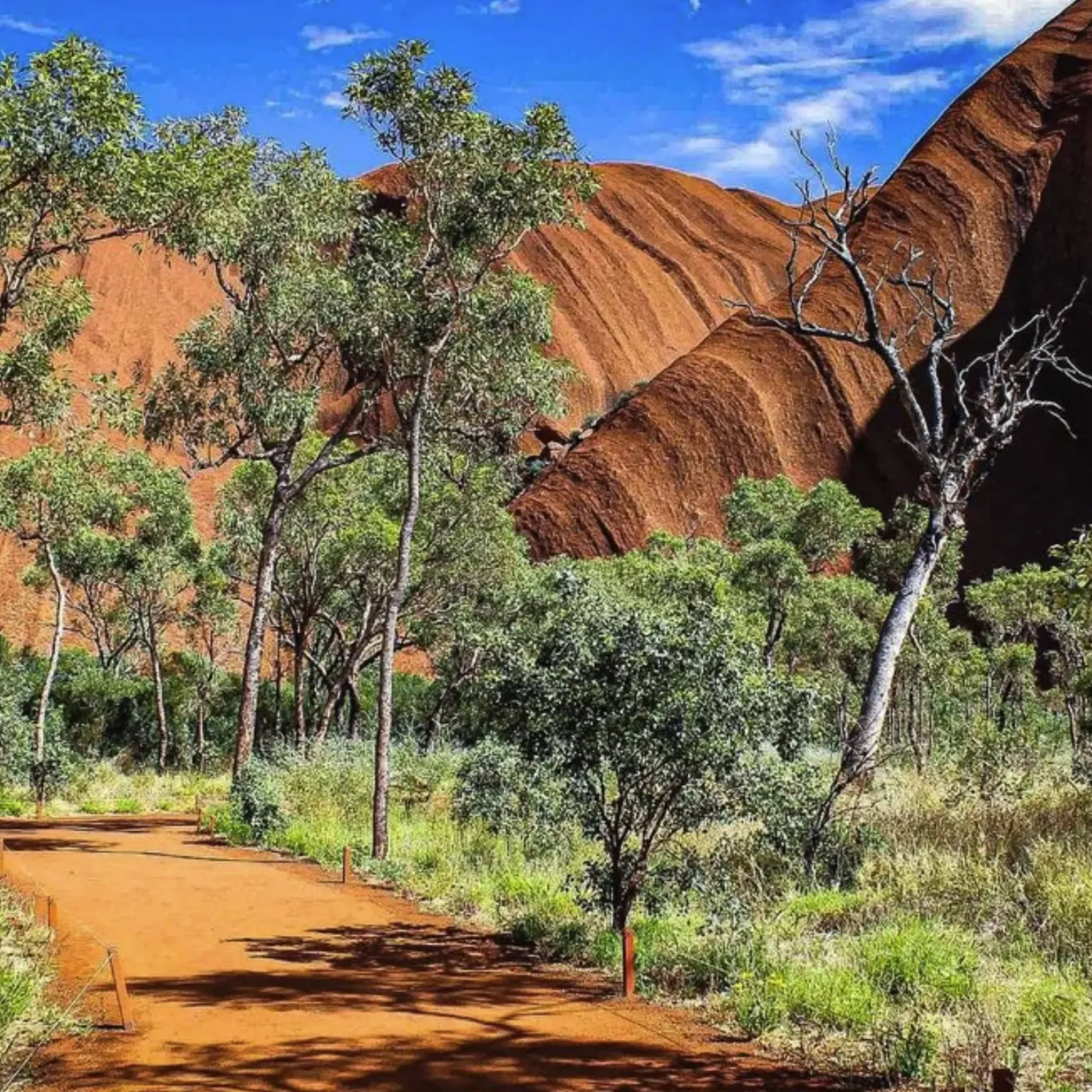
Walking the flat 10.6 km Uluru Base Walk or joining a ranger-led Mala Walk reveals ochre rock art galleries and reveals how every cleft and boulder carries living cultural meaning.
Home to Unique Desert Flora and Fauna
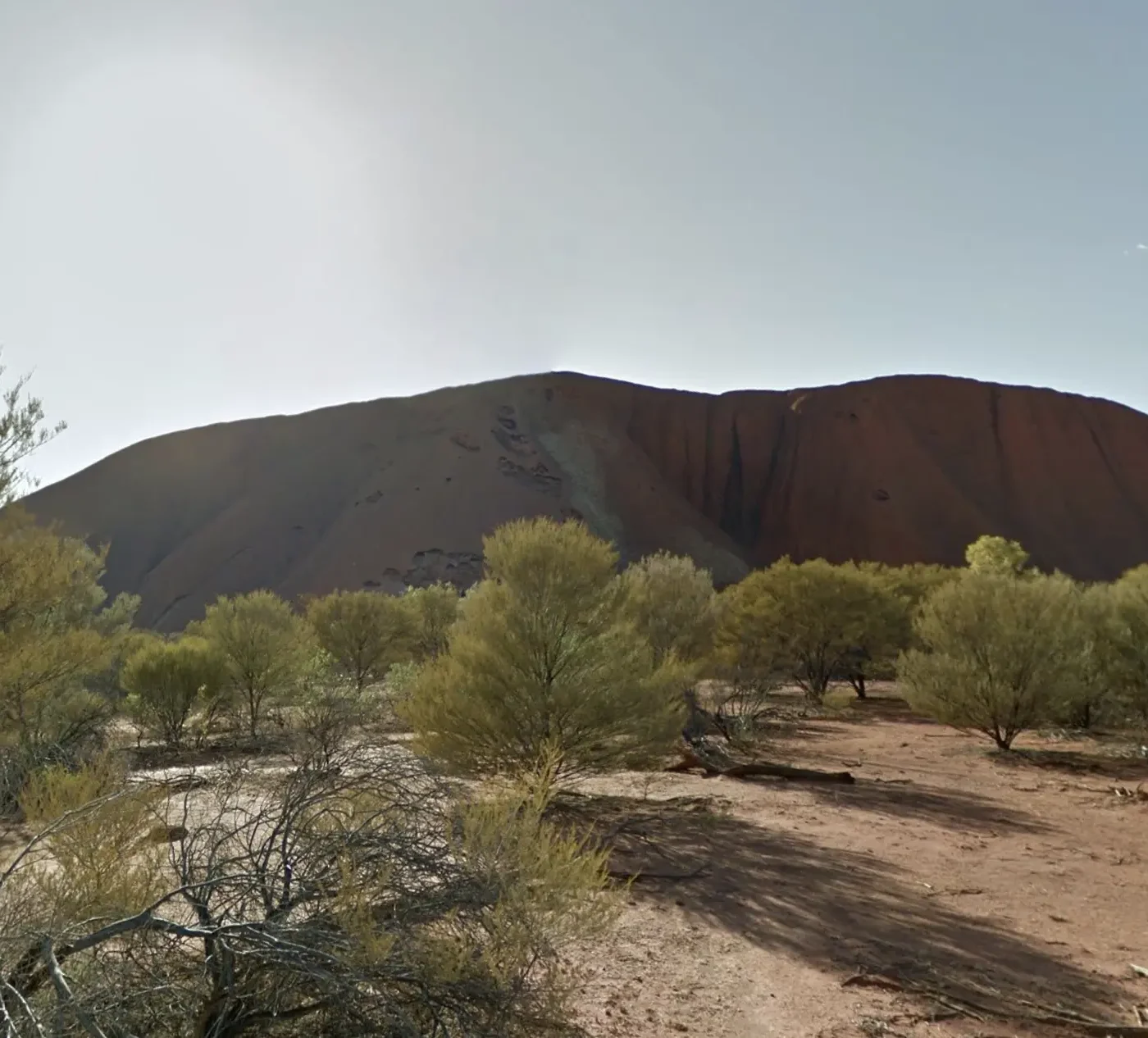
Despite its semi-arid desert climate, Uluru-Kata Tjuta National Park supports an astonishing variety of wildlife—discover more in our guide to the flora and fauna around Uluru:
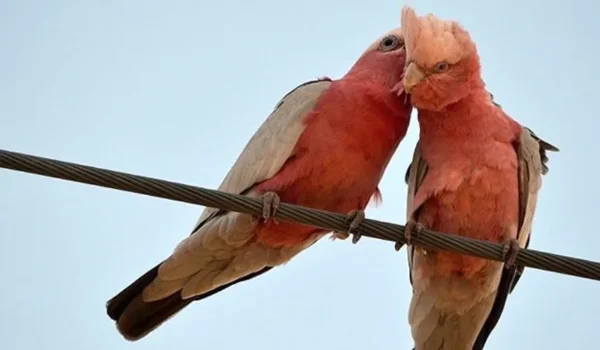
- Iconic Desert Wildlife: Red kangaroos, elusive black-footed rock-wallabies, dingoes, thorny devils, giant perentie monitor lizards, and over 170 bird species including zebra finches and wedge-tailed eagles.
- Resilient Native Plants: Dune-stabilising spinifex grass, deep-rooted desert oaks, mulga acacias, and traditional bush-tucker species like quandong and bush tomatoes.
Popular Destination & Dual UNESCO World Heritage Site
Uluru-Kata Tjuta National Park welcomes hundreds of thousands of travellers each year via nearby Yulara (Ayers Rock Resort), which offers everything from bush campgrounds to luxury desert suites—compare the best accommodations and campsites near Uluru before booking.
Inscribed on the UNESCO World Heritage List in 1987 for its outstanding geological and natural values, the park was re-inscribed in 1994 as a living cultural landscape—making it one of the few places on Earth recognised for both natural and cultural heritage.
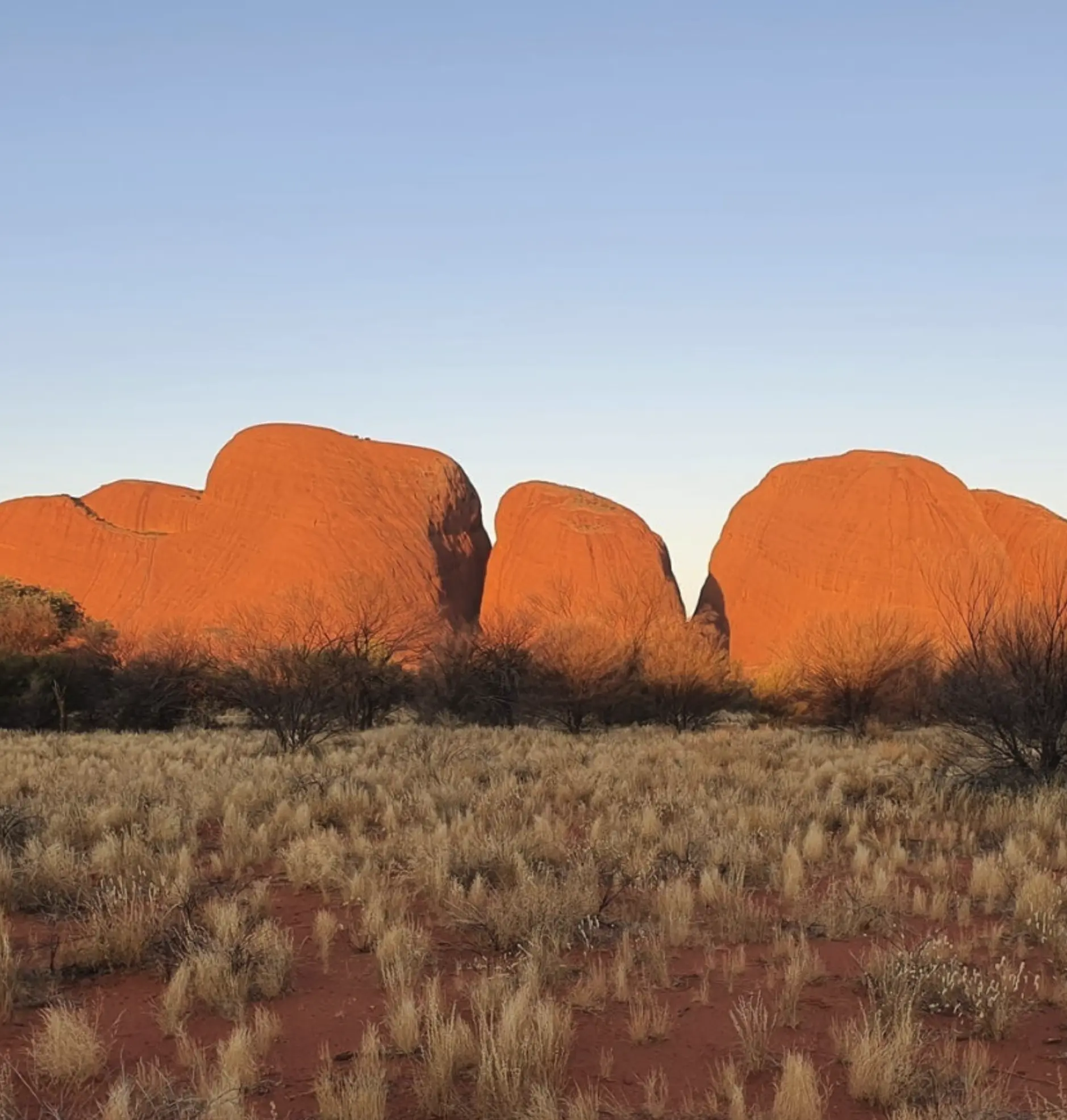
Uluru & Red Centre Highlights (Gallery)
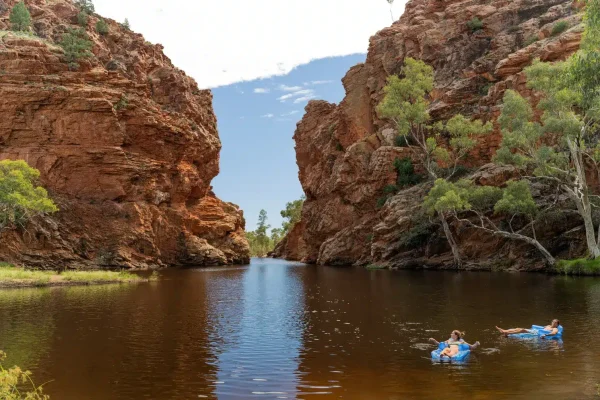
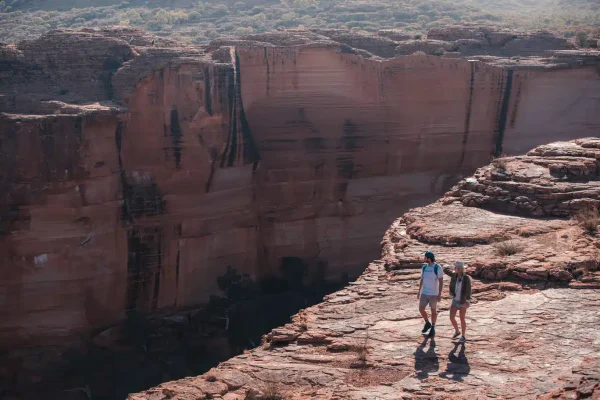
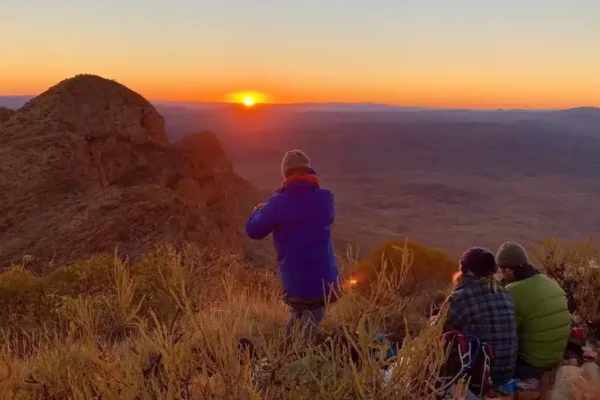
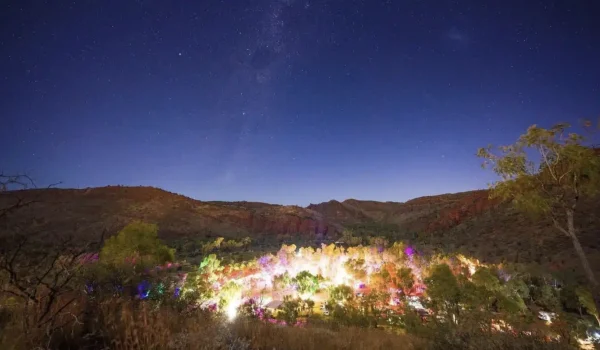
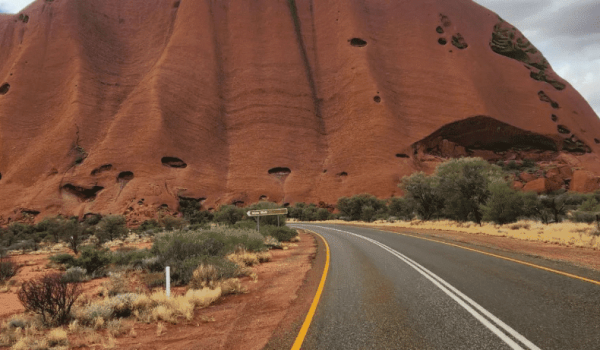
See the dramatic sandstone cliffs, desert dunes, and ancient cultural landscapes of Uluru-Kata Tjuta National Park.
Guided Touring Around Uluru & Central Australia
Combining Uluru with neighbouring Red Centre landmarks gives you the fullest appreciation of Central Australia’s geology and Indigenous heritage:
- West MacDonnell Ranges (Tjoritja): Join our 1-day West MacDonnell Ranges (Tjoritja) tour from Alice Springs to explore dramatic chasms, desert waterholes, and rugged mountain ranges.
- Multi-Day Uluru, Kata Tjuta & Kings Canyon Tours: Experience sunrise and sunset at Uluru, hike Kata Tjuta’s Valley of the Winds, visit Maruku Arts, and sleep beneath outback stars on our 3-day Uluru camping tour from Alice Springs or 4-day Uluru and West MacDonnell 4WD tour from Alice Springs.
Uluru Facts — Frequently Asked Questions
How tall and how old is Uluru?
Uluru rises 348 metres (1,142 feet) above the surrounding desert plain, reaches 863 metres above sea level, and measures 9.4 km around its base. Geologists estimate its sandstone sediments began forming around 550 million years ago.
Why does Uluru change colour at sunrise and sunset?
Uluru is made of arkose sandstone containing iron-bearing minerals that have rusted (oxidised) on the surface. At sunrise and sunset, low-angle sunlight passes through more atmosphere, scattering blue light and bathing the iron-rich rock in intense reds, oranges, and purples.
Is Uluru bigger than Mount Augustus or Kata Tjuta?
Uluru is larger than nearby Kata Tjuta’s tallest dome (Mount Olga, 546 m above the plain, though Kata Tjuta covers a wider area), while Mount Augustus in Western Australia is more than twice Uluru’s size as a monocline.
Can you still climb Uluru today?
No. Climbing Uluru was permanently banned on 26 October 2019 out of respect for the Aṉangu traditional owners and for visitor safety and environmental protection. Instead, visitors can enjoy the 10.6 km Base Walk, ranger-led cultural tours, and sunrise/sunset viewing platforms on our 2-day Uluru tour from Yulara.
Why is Uluru a dual UNESCO World Heritage site?
Uluru-Kata Tjuta National Park was listed in 1987 for its extraordinary geological and natural desert ecosystems, and again in 1994 as a living cultural landscape shaped by tens of thousands of years of continuous Aṉangu custodianship.
Experience Uluru & Kata Tjuta in Person
See Uluru glow at sunrise and sunset, walk sacred Dreaming tracks with expert guides, and explore Kings Canyon and the West MacDonnell Ranges.