Geology vs. Living Culture
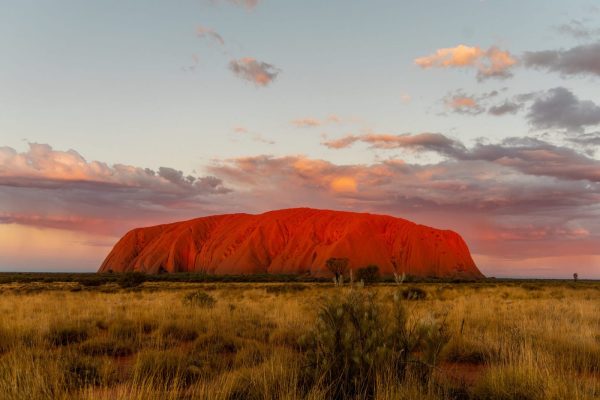
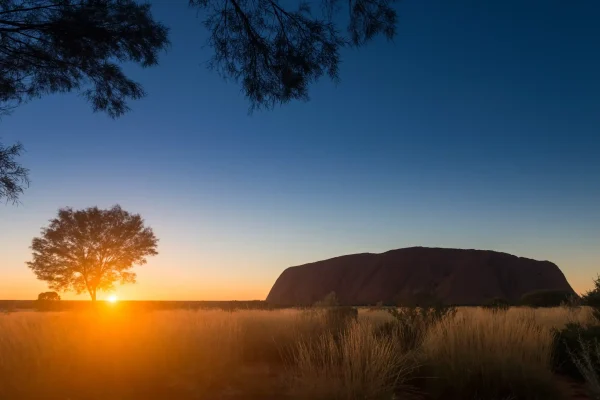
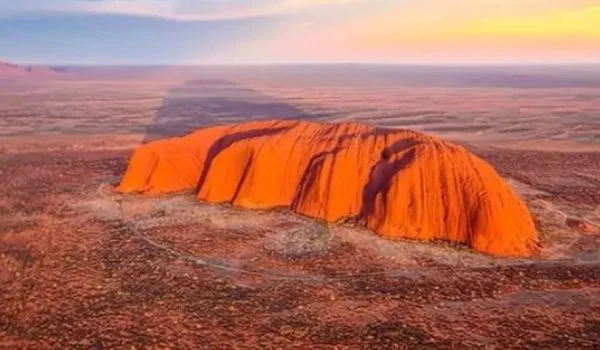
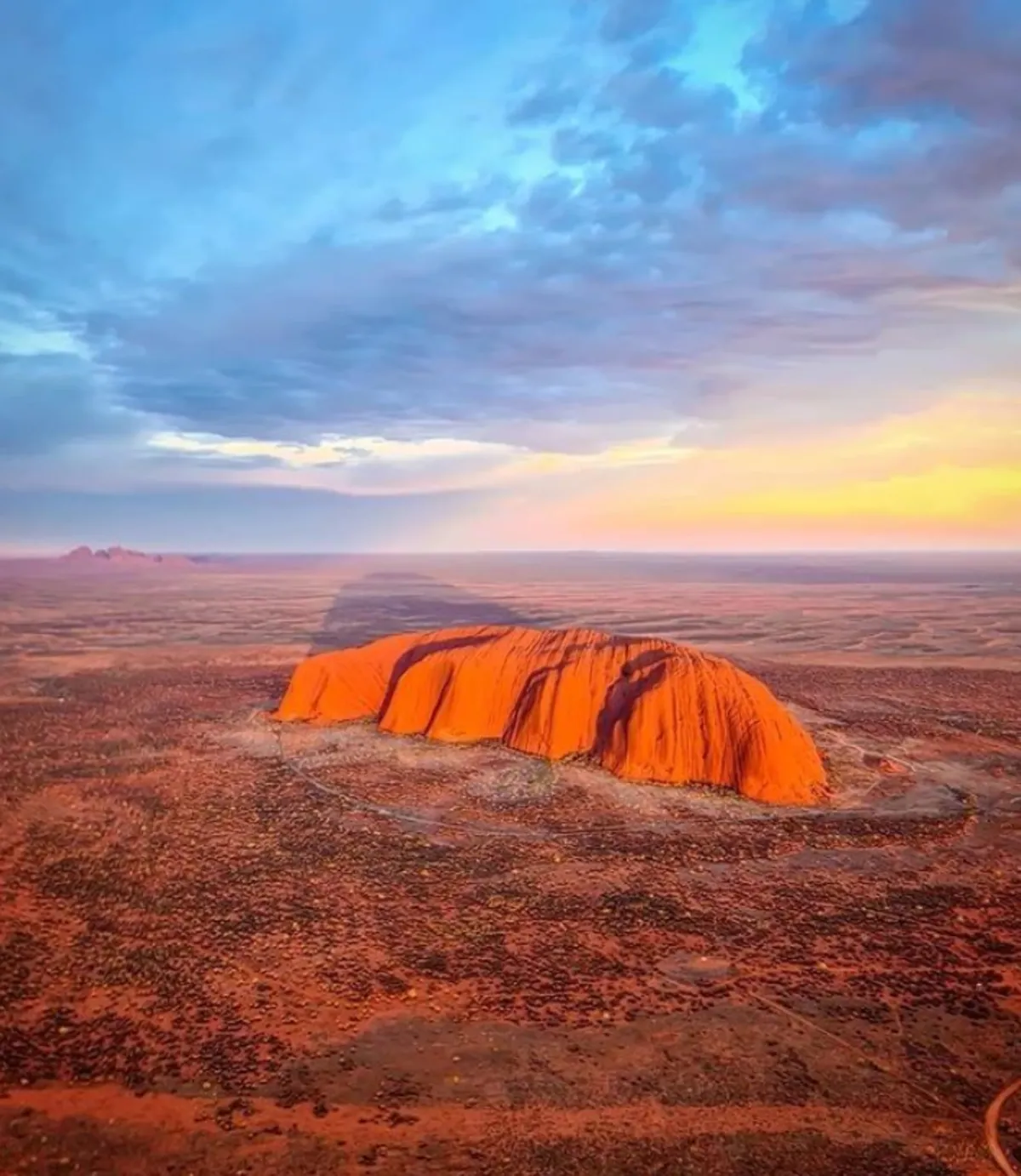
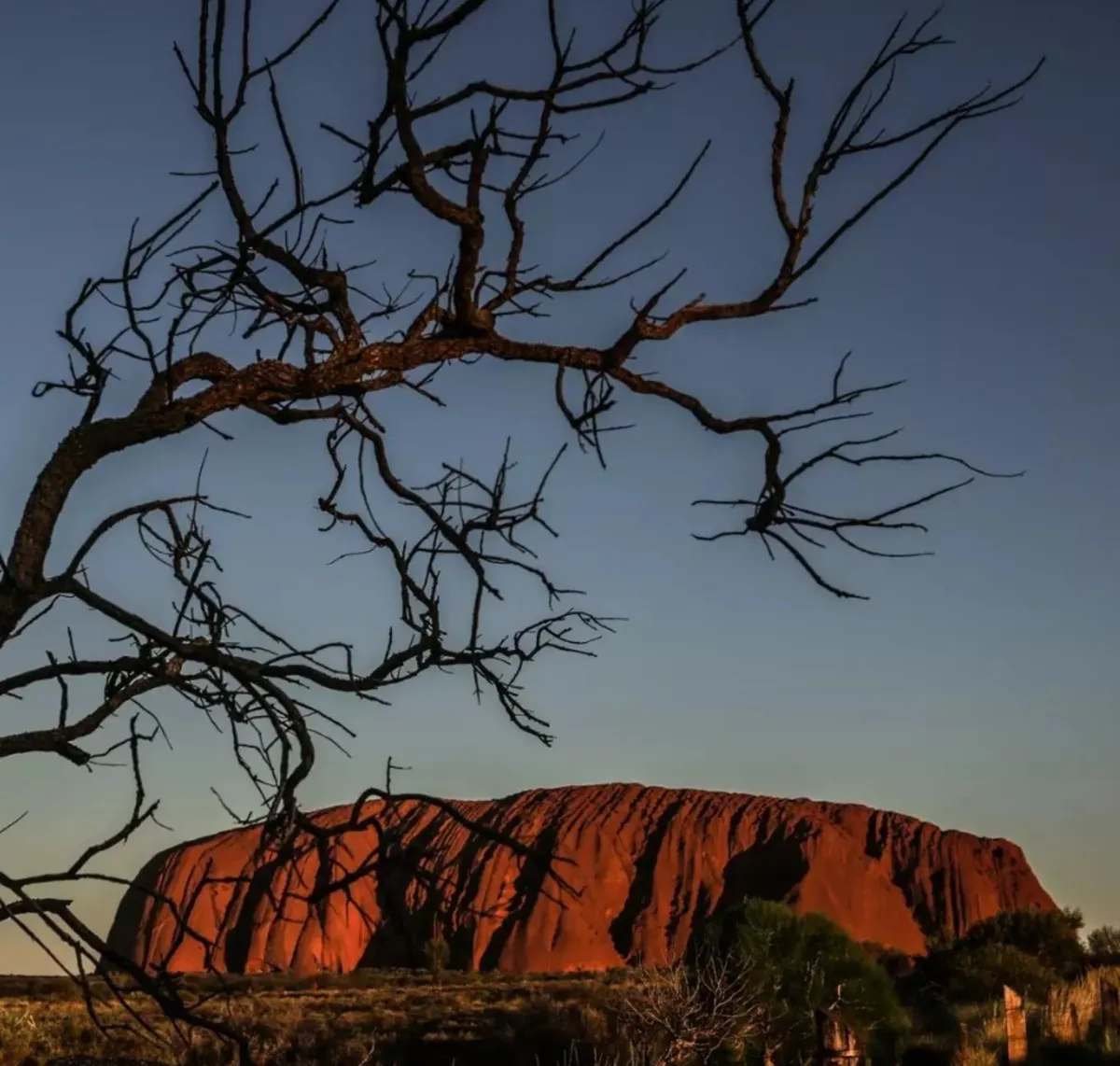
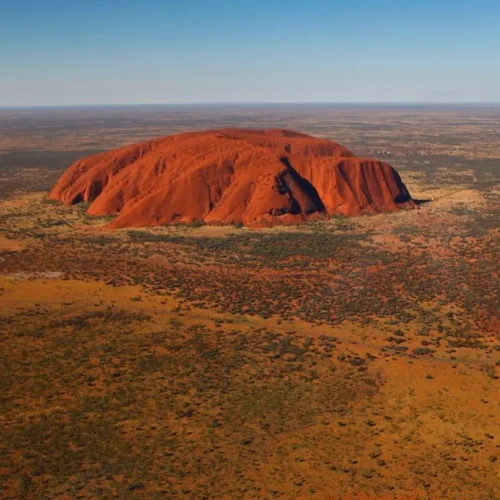
At first glance, Uluru appears as an immense sandstone monolith rising abruptly above the arid plains of Central Australia. Yet beneath the geology of Uluru lies a deeply interwoven cultural landscape shaped by ancestral law.
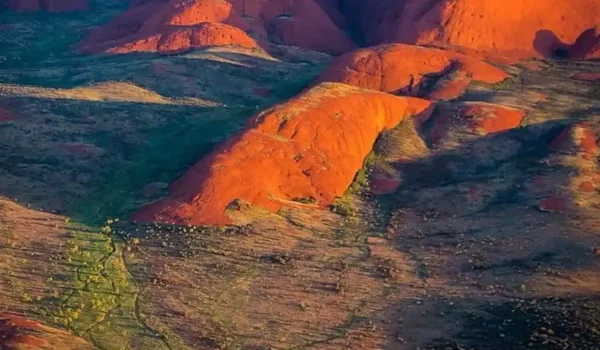
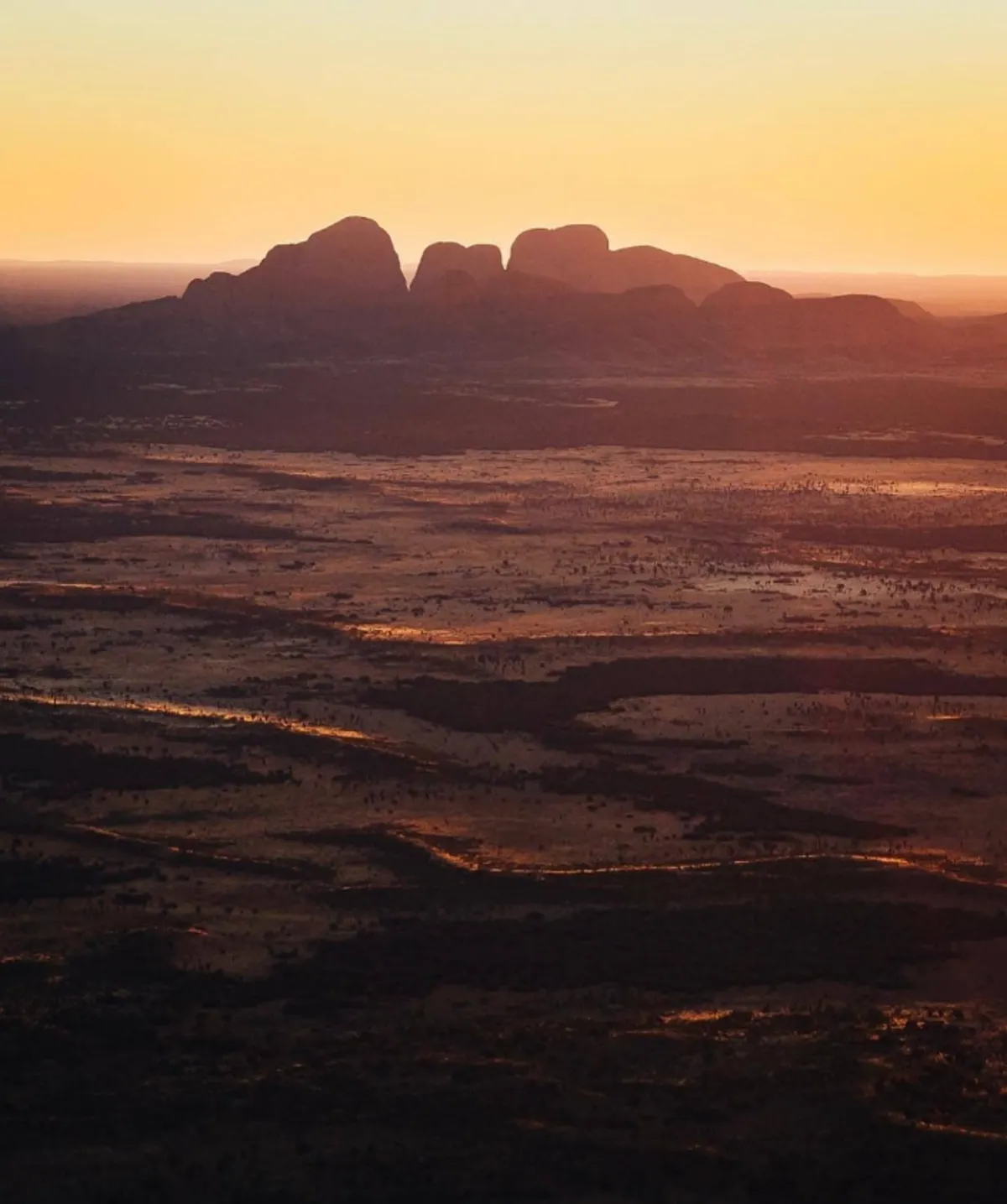
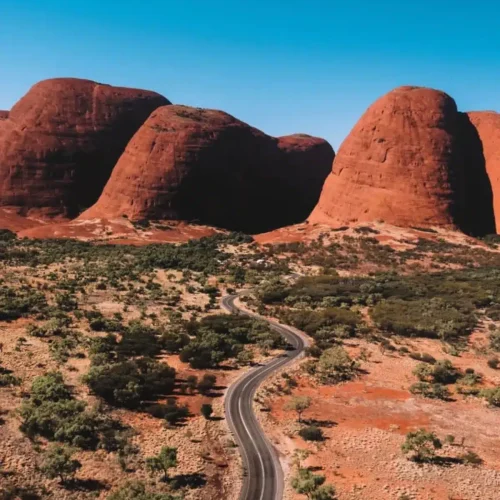
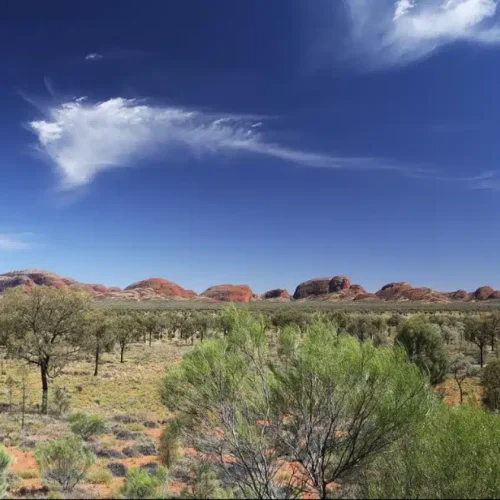
Joint management plans developed by Anangu traditional owners and Parks Australia integrate ancient ecological knowledge with modern conservation science—earning Uluru-Kata Tjuta National Park dual UNESCO World Heritage status for both its natural and cultural values. Together with Kata Tjuta (The Olgas), these formations stand as physical manifestations of Tjukurpa (the creation period), linking living communities to ancestors across countless generations.
Spiritual Significance & Sacred Sites
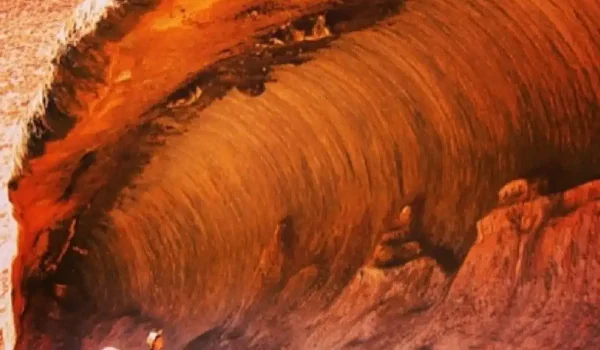
Within Anangu culture—one of the oldest continuous living cultures on Earth—Uluru and Kata Tjuta are profoundly sacred places. Ancient rock paintings sheltered in caves around the base are far more than artistic expressions; they record ancestral law, seasonal knowledge, and spiritual history.
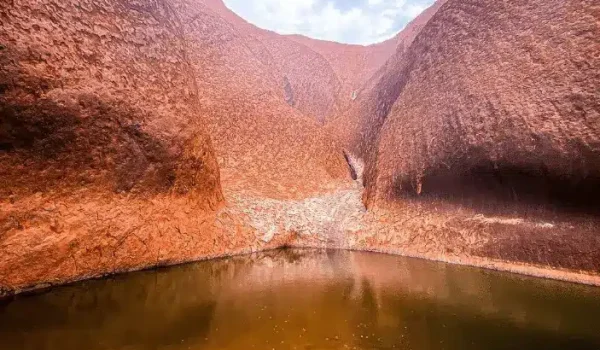
Every fissure, waterhole, cave, and cliff face carries Creation narratives passed down orally from elders to younger generations, governing social relationships, ceremony, and care for Country.
Key Cultural Sites Within Uluru-Kata Tjuta National Park
- Tjukurpa Trails & Mala Walk: Teaching caves and ancestral pathways illustrating the stories of the Mala (rufous hare-wallaby) people.
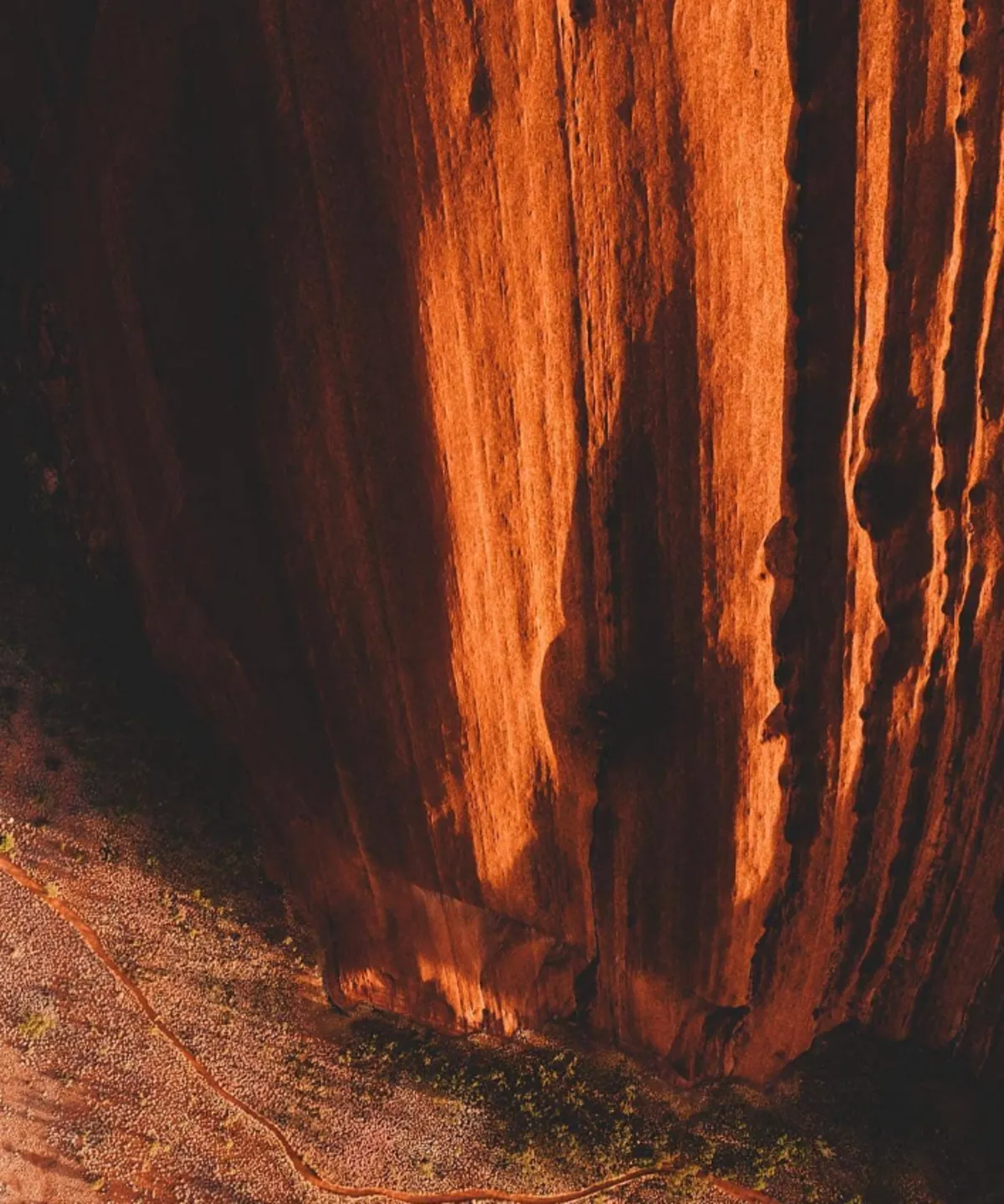
- Kantju Gorge: A towering, tranquil gorge at the base of Uluru at the heart of ceremonial Dreamtime narratives.
Experience these living storylines firsthand on our guided 3-day Uluru cultural and camping tour.
Aboriginal Law & Modern Park Management
The bond between the Anangu people and their Country stands as a global benchmark in Indigenous-led environmental stewardship. Since the 1985 handback of Uluru-Kata Tjuta National Park to its traditional owners, joint management has paired traditional Anangu law with contemporary ecological science.
Together, Anangu rangers and scientists run mosaic cool-burning programs, protect permanent desert waterholes, regenerate native flora, and safeguard threatened desert marsupials.
Traditional Knowledge vs. Modern Conservation
| Aspect | Traditional Anangu Approach | Modern Scientific Practice |
|---|---|---|
| Land Restoration | Patchwork cool burning (fire-stick care) | Ecological & satellite habitat assessments |
| Wildlife Care | Customary lore & seasonal restrictions | Species monitoring & feral predator control |
| Plant Regeneration | Lore-guided seasonal bush harvesting | Botanical surveys & native seed propagation |
Uluru as a Living Cultural Landscape
Uluru-Kata Tjuta is not a static monument—it is an active cultural heartland where Aboriginal culture at Uluru continues to thrive through deep kinship with the land. Cultural values directly shape every visitor program, ranger walk, and interpretive trail across the park.
Travellers who join cultural walks and presentations gain rare insight into how Tjukurpa law connects landforms, desert plants, water sources, and community life into a single living tapestry.
Preservation of Culture & Heritage
Balancing global tourism with the protection of sacred sites is central to the co-management partnership between the Anangu people and Parks Australia. Management plans safeguard fragile desert ecosystems and restricted ceremonial zones while sharing Anangu culture through the Cultural Centre, ranger talks, and ethical guided experiences.
Visitor guidelines—such as staying on marked trails and respecting no-photography signs at sensitive sites (see our photographer’s guide to capturing Uluru respectfully)—ensure future generations can continue learning from this extraordinary place.
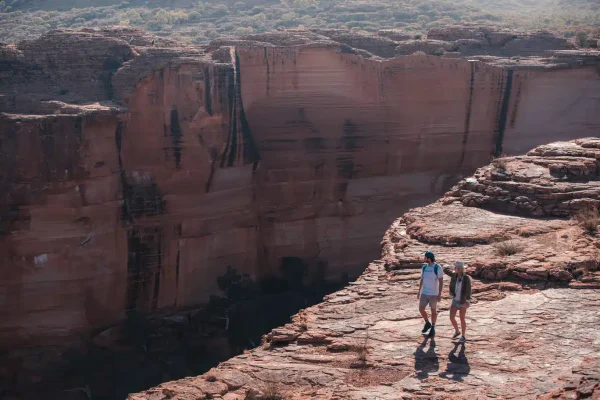
Want to explore more of the Red Centre’s ancient landscapes? Combine Uluru with our 3-day Kings Canyon to West MacDonnell Ranges 4WD tour.
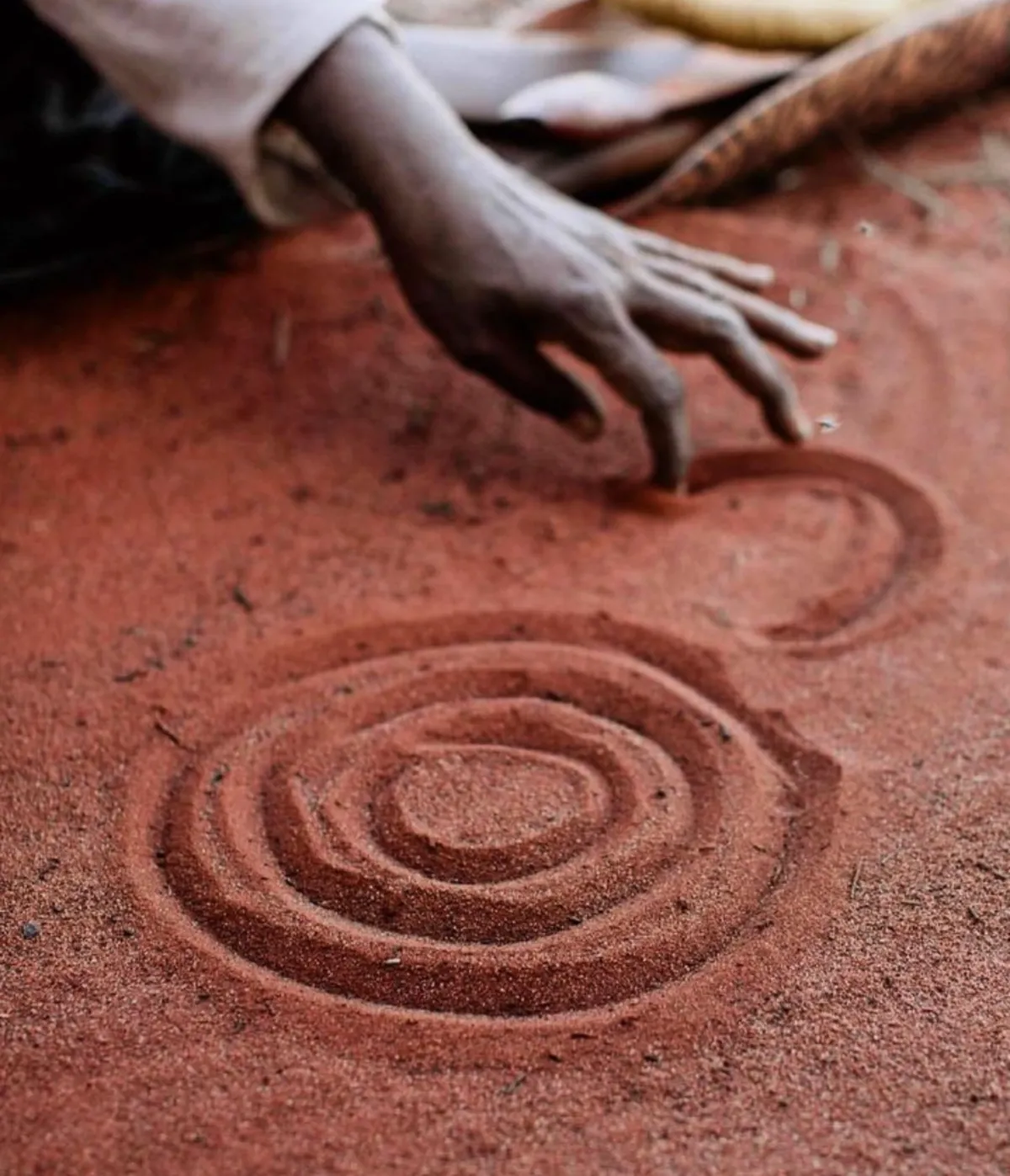
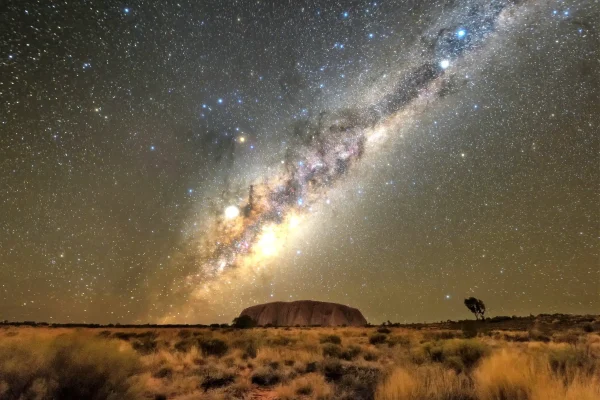
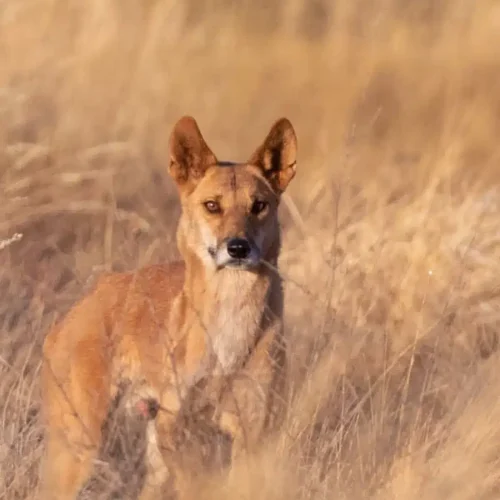
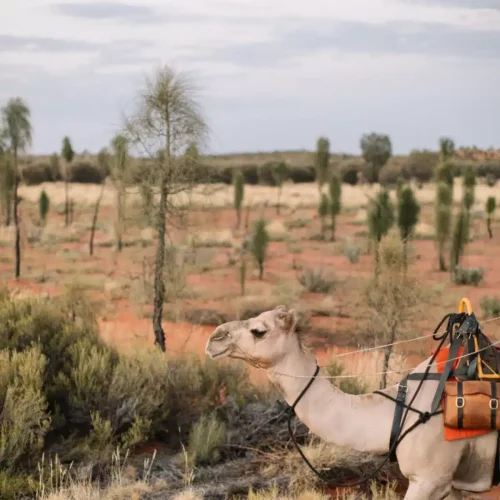
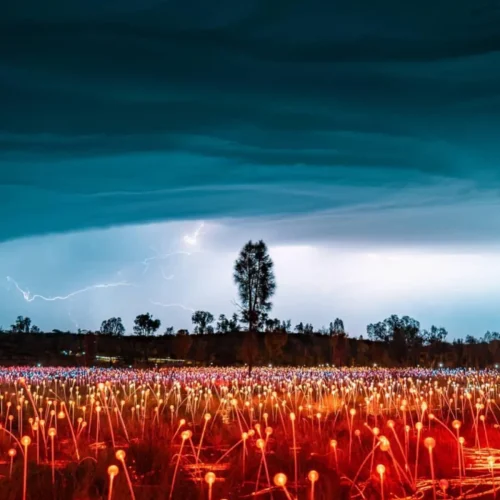
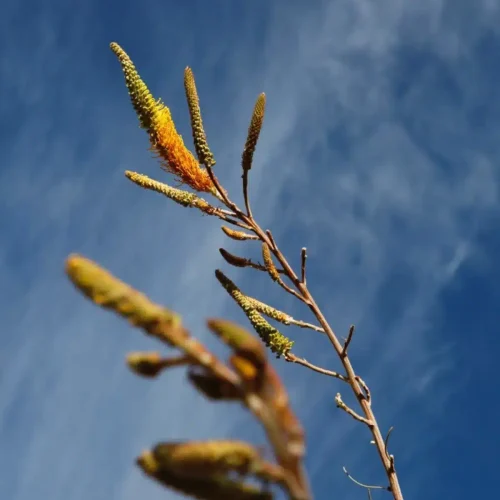
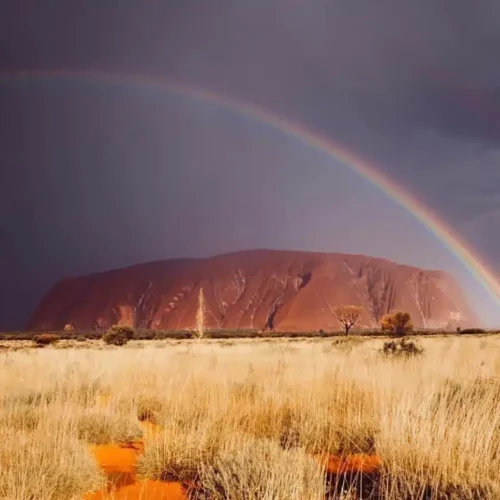
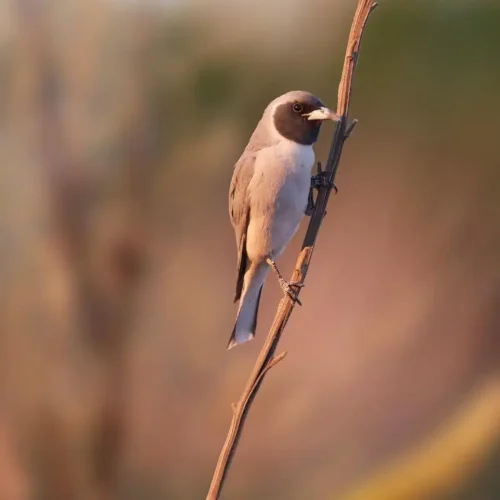
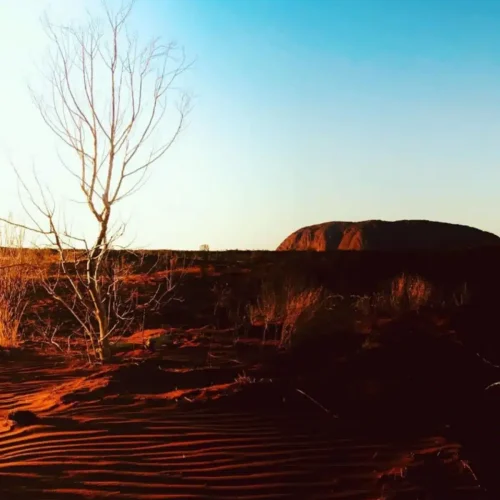
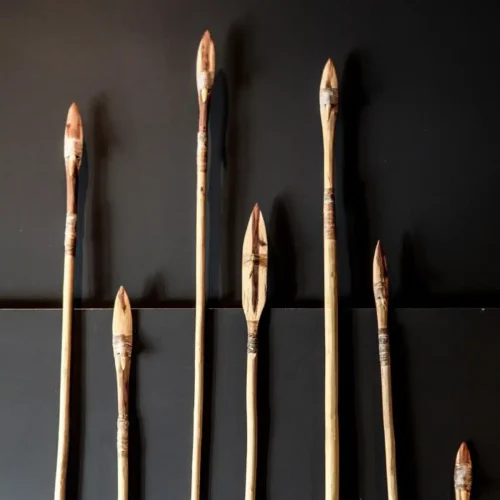
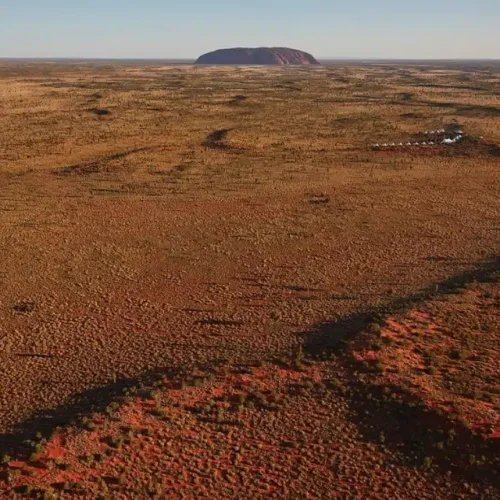
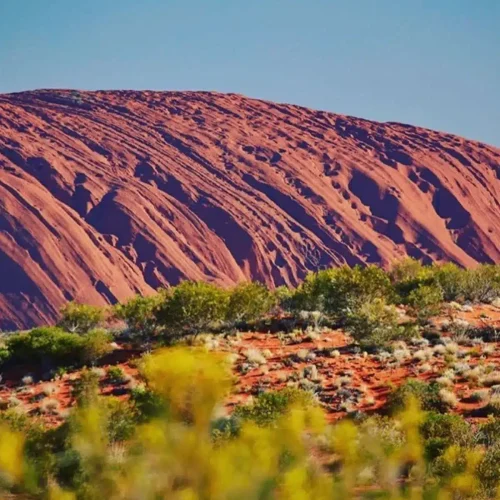
Cultural & Natural Heritage of Uluru (Gallery)
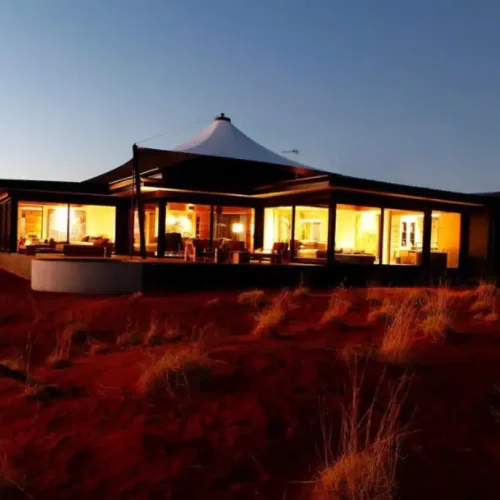
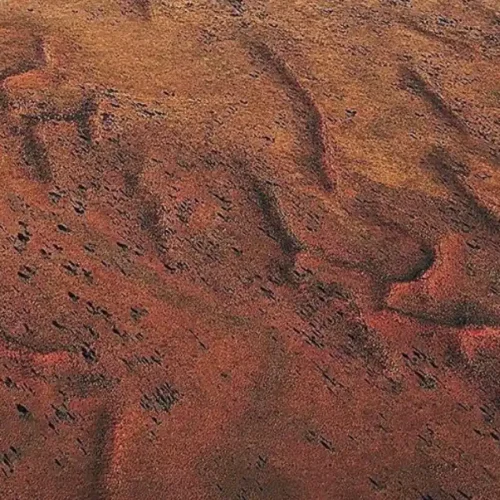
Discover the sacred rock art, desert ecosystems, sandstone formations, and cultural experiences across Uluru-Kata Tjuta National Park.
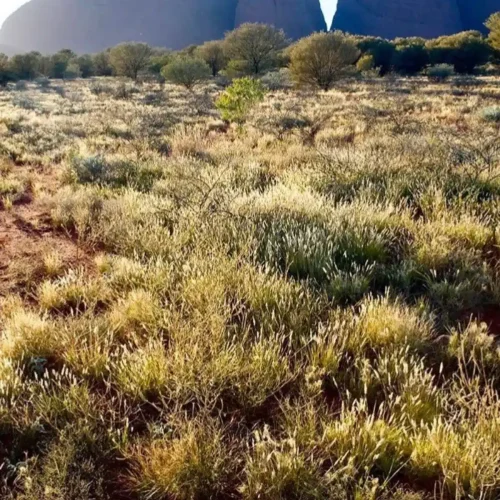
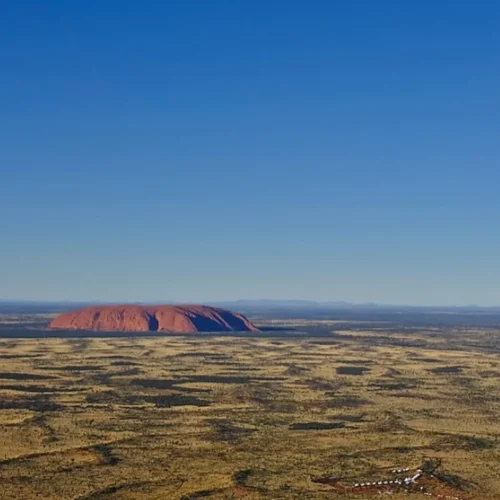
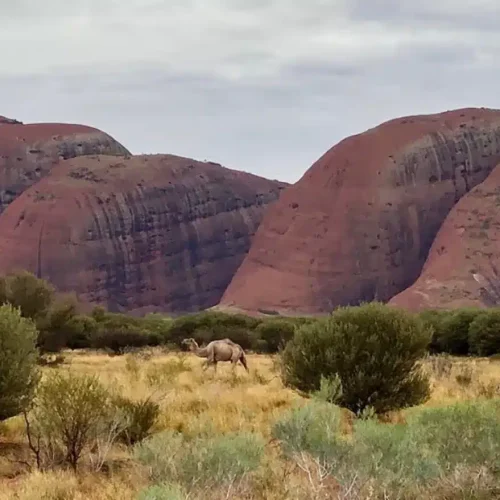
Anangu Culture & Sustainable Tourism
For the Anangu people, Uluru is alive with the spiritual presence of ancestral beings who shaped the land during Tjukurpa. The permanent closure of the Uluru climb in October 2019 marked a historic milestone in respecting Anangu law and protecting the physical and spiritual integrity of the monolith.
Today, sustainable tourism initiatives create meaningful employment and cultural exchange—from ranger-guided walks and cultural presentations to authentic Anangu art centres. Travellers seeking deeper outback immersion can also explore the West MacDonnell Ranges on our 5-day Larapinta walking tour or join a 4-day Uluru camping tour from Alice Springs.
Benefits of Sustainable Cultural Tourism at Uluru
Responsible travel ensures that visiting Uluru enriches both travellers and the local Anangu community while safeguarding the fragile desert ecosystem:
| Tourism Pillar | Cultural Benefits | Environmental Benefits |
|---|---|---|
| Guided Cultural Tours | Authentic sharing of Anangu stories and Tjukurpa law | Minimised off-trail erosion and habitat disturbance |
| Cultural Presentations | Preservation of living language, song, and ceremony | Greater visitor respect for restricted wildlife zones |
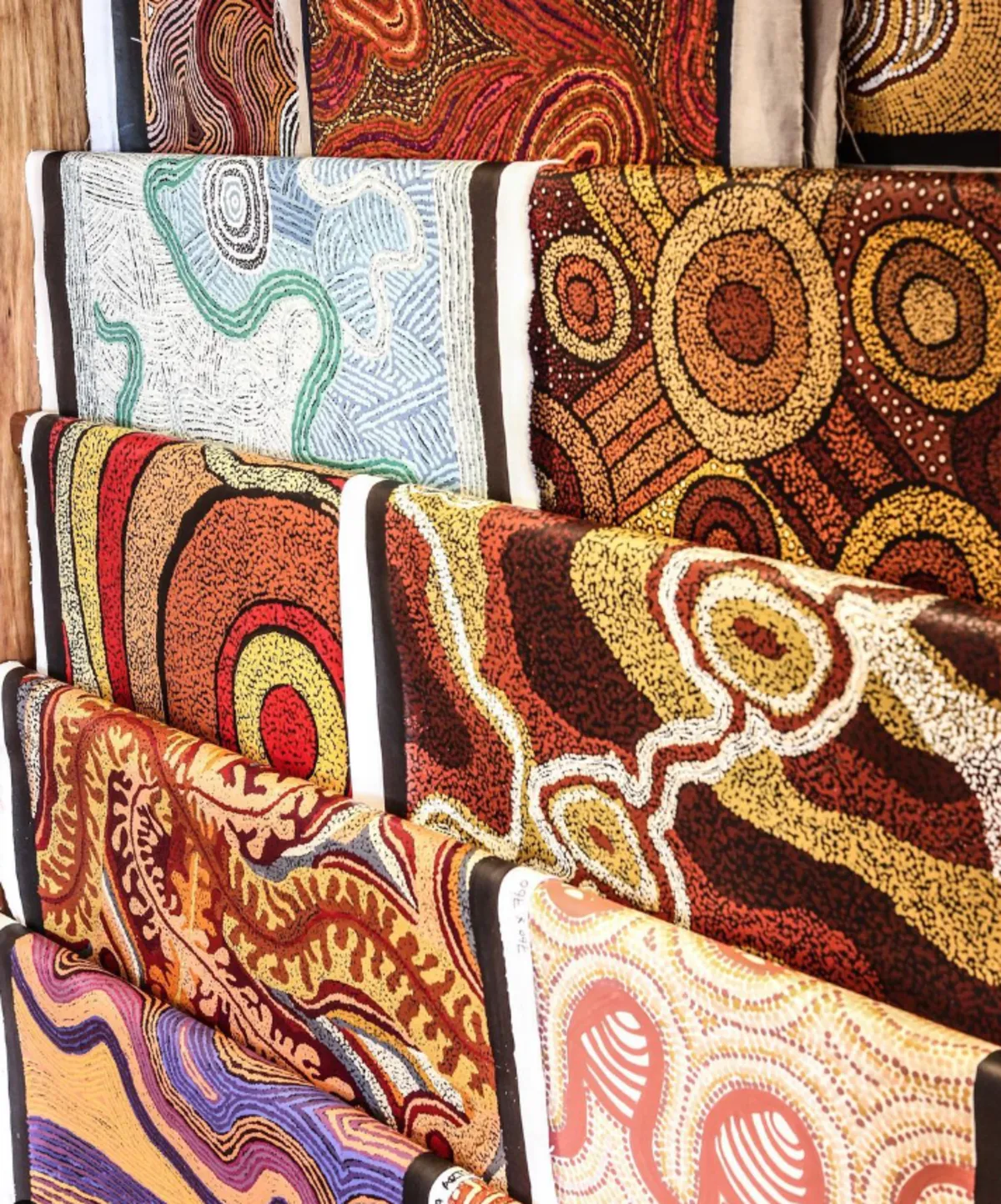
| Indigenous Art & Crafts | Direct economic support for local Anangu artists | Sustainable harvesting of natural desert materials |
Cultural Significance of Uluru — Frequently Asked Questions
Why is Uluru considered sacred by the Anangu people?
Uluru is central to Anangu spiritual law (Tjukurpa). According to Anangu tradition, ancestral beings shaped the monolith during Creation times and their spirits still inhabit the rock today, making its caves, waterholes, and rock art sacred.
Why was climbing Uluru permanently closed?
Climbing Uluru crossed a sacred Dreamtime track and caused both spiritual distress to the Anangu traditional owners and environmental damage to the sandstone surface. Closing the climb in October 2019 honoured Anangu cultural wishes and protected the site.
How does sustainable tourism benefit Uluru and the Anangu community?
Sustainable tourism channels visitor revenue into park conservation, supports local Indigenous employment and art centres, and educates guests on Anangu culture while keeping foot traffic on designated trails.
Can I participate in cultural activities at Uluru?
Yes. Visitors can join free daily ranger-guided Mala Walks, visit the Uluru-Kata Tjuta Cultural Centre, attend bush-tucker and dot-painting workshops at Ayers Rock Resort, or travel on guided Red Centre tours.
What is the best way to experience Uluru while respecting its cultural significance?
Start at the Cultural Centre to learn about Tjukurpa, stay on marked walking paths, obey all restricted-area and no-photography signage around the base, and listen to local Anangu and outback guides.
Experience the Living Culture & Spirit of Uluru
Join our small-group guided tours from Alice Springs or Yulara to explore Uluru, Kata Tjuta, and Kings Canyon with knowledgeable local guides.