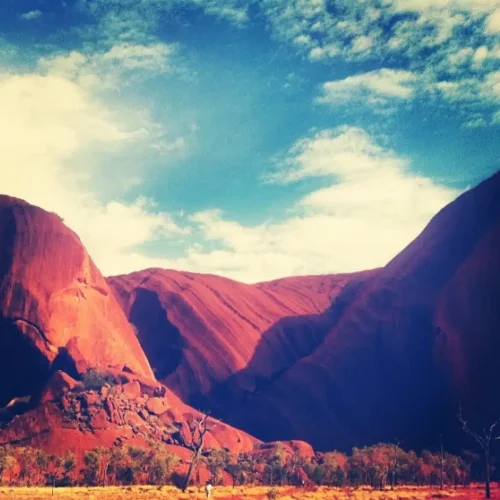
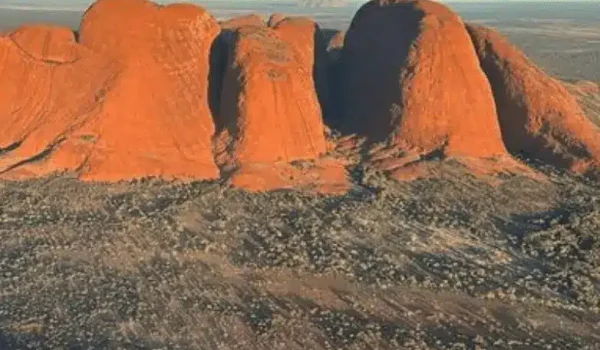
A colossal monolith, Uluru is also known as Ayers Rock in the heart of Northern Territory’s arid “Red Centre.” It is a spectacular natural occurrence and a place of profound spiritual significance for the Anangu people, who are traditional owners of this land. This article seeks to provide guidelines that will help photographers, from newbies to veterans, take pictures that bring out the beauty of Uluru without undermining its cultural significance. Whether you’re going on a vacation with your camera or an expert photographer wanting to enlarge his compilation, knowing how best to photoshoot these sacred places is important.
Why Photograph Uluru?
Planning Your Photography Trip
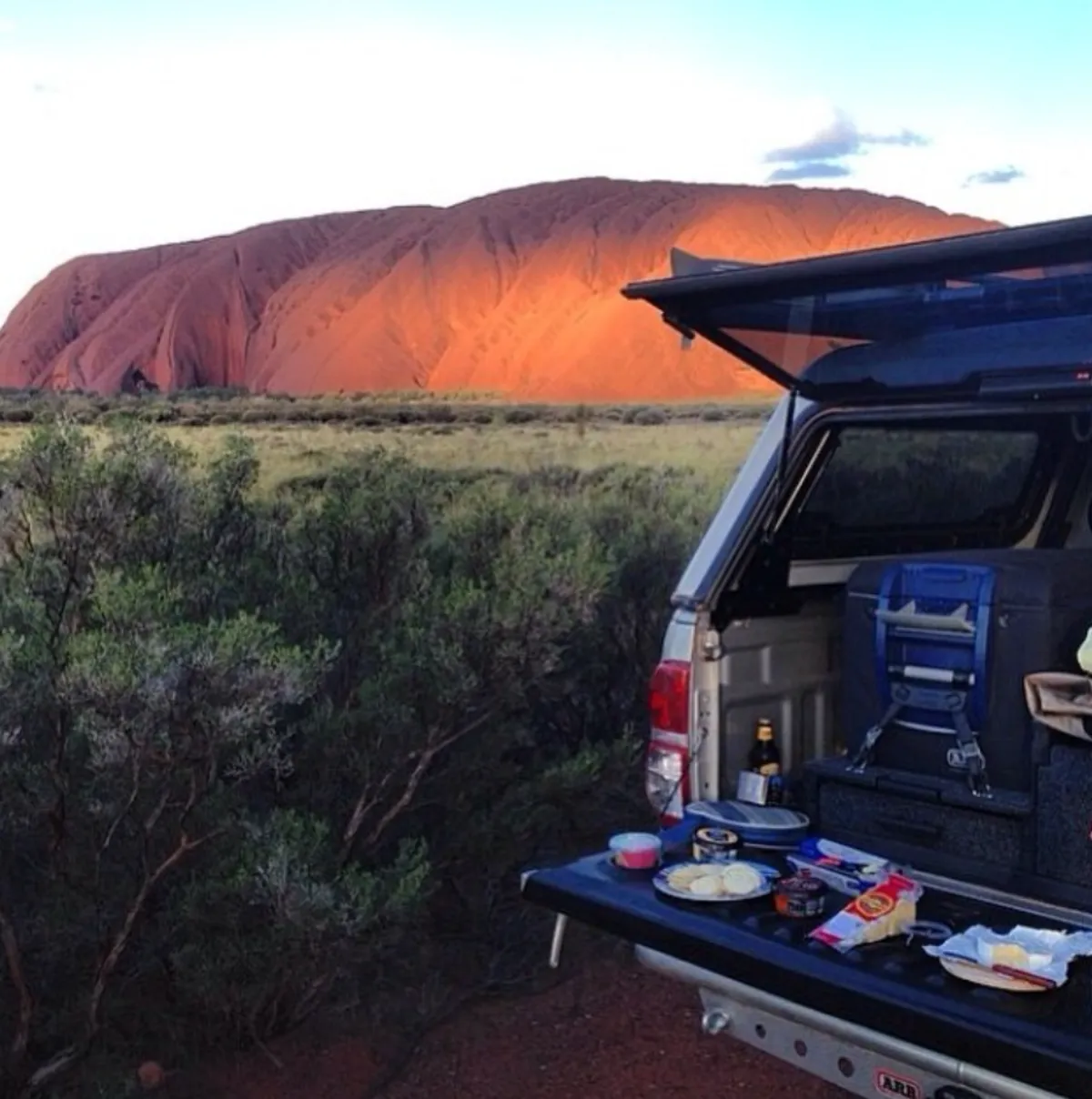
Planning photography trips to this national park is crucial before one gets there. There are commercial flights that fly into Ayers Rock Resort and drive for just an hour towards the park. Visitors have a range of options such as camping grounds or luxury hotels that offer different experiences in the desert. Photographers must come at certain times; early morning till evening light provides pleasing gold lighting. Also, the park’s got awesome field guides and photography articles which enable visitors understand the ecology and geology of the area.
Timing your trip is important when planning a visit. Uluru has direct flight connections with major cities making it even possible to have a short weekend holiday there. Spending several days makes it possible to have many shooting sessions resulting in capturing Uluru under various lights and weather conditions.
Best Times for Photography
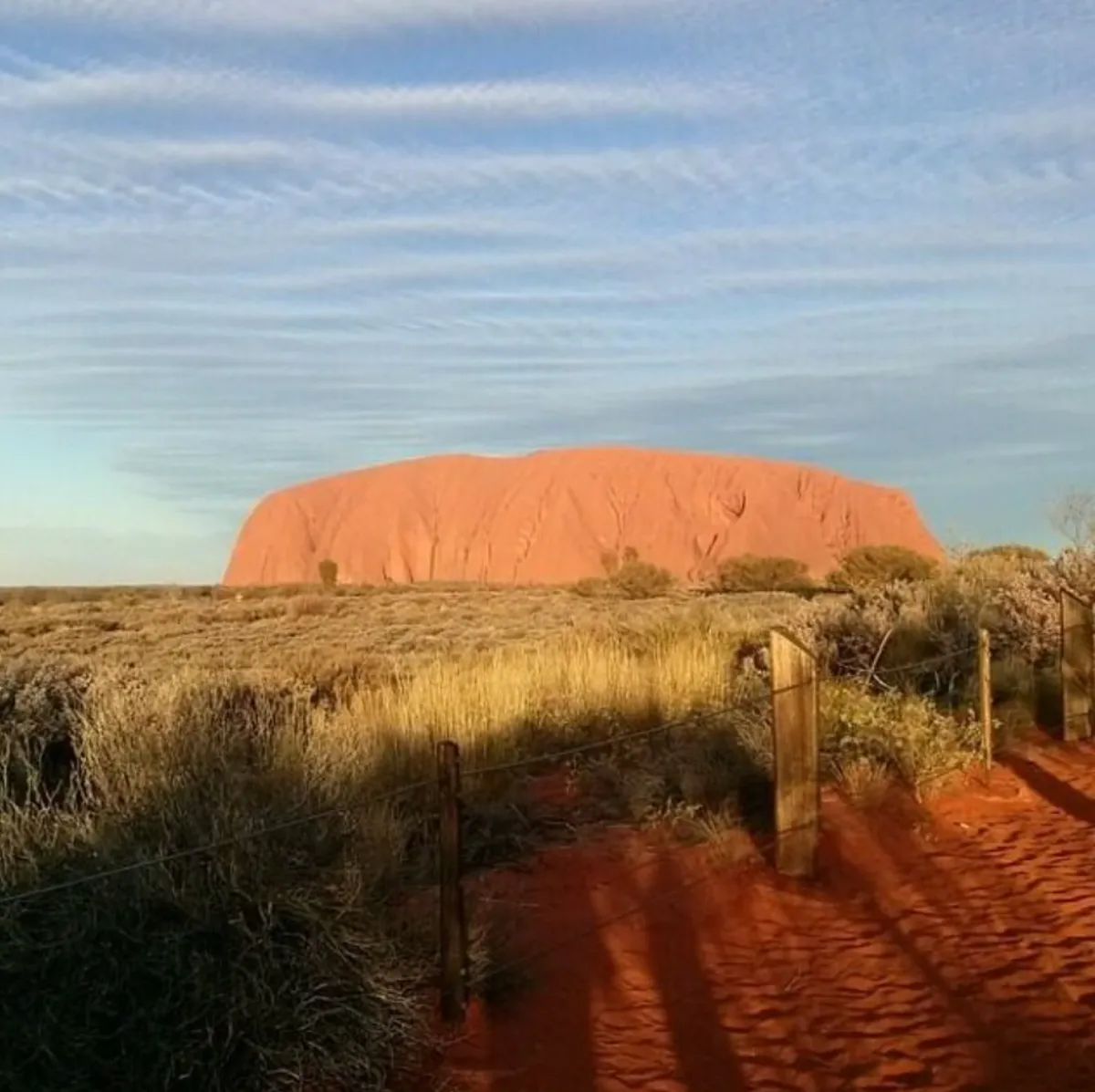
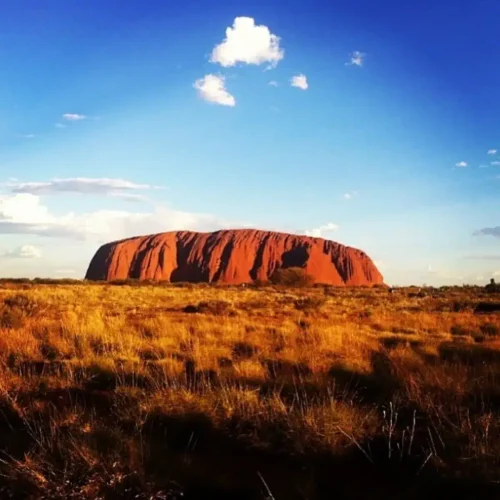
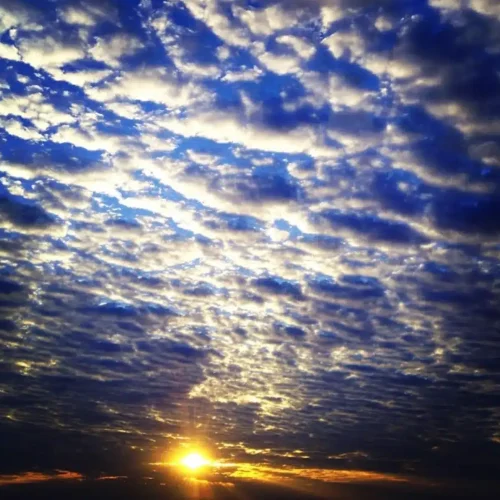
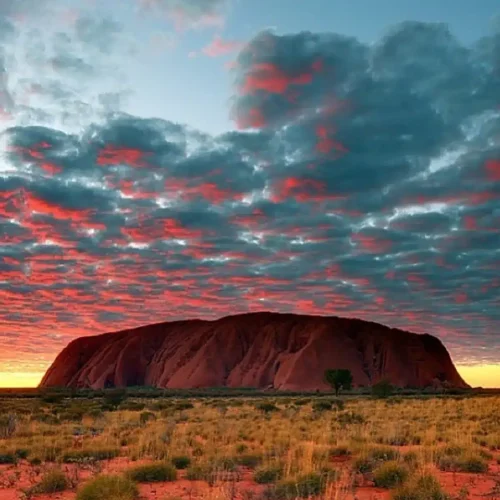
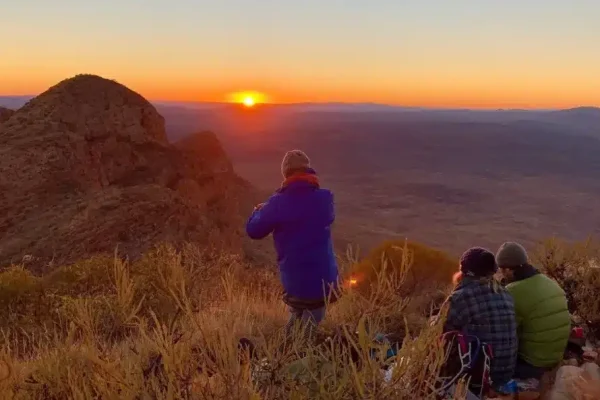
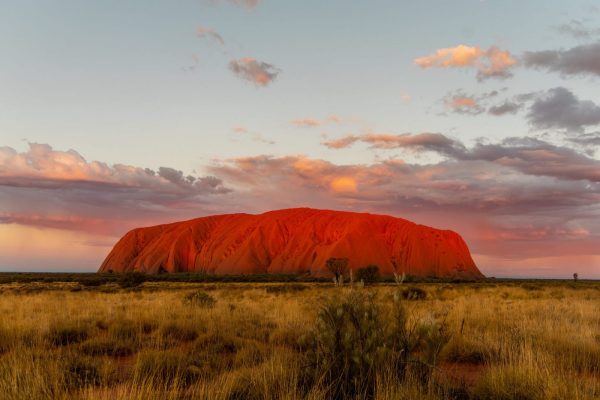
Sunrise: The eastern sky illuminates several minutes before sunrise itself, turning Uluru’s huge rock face pinkish-red.
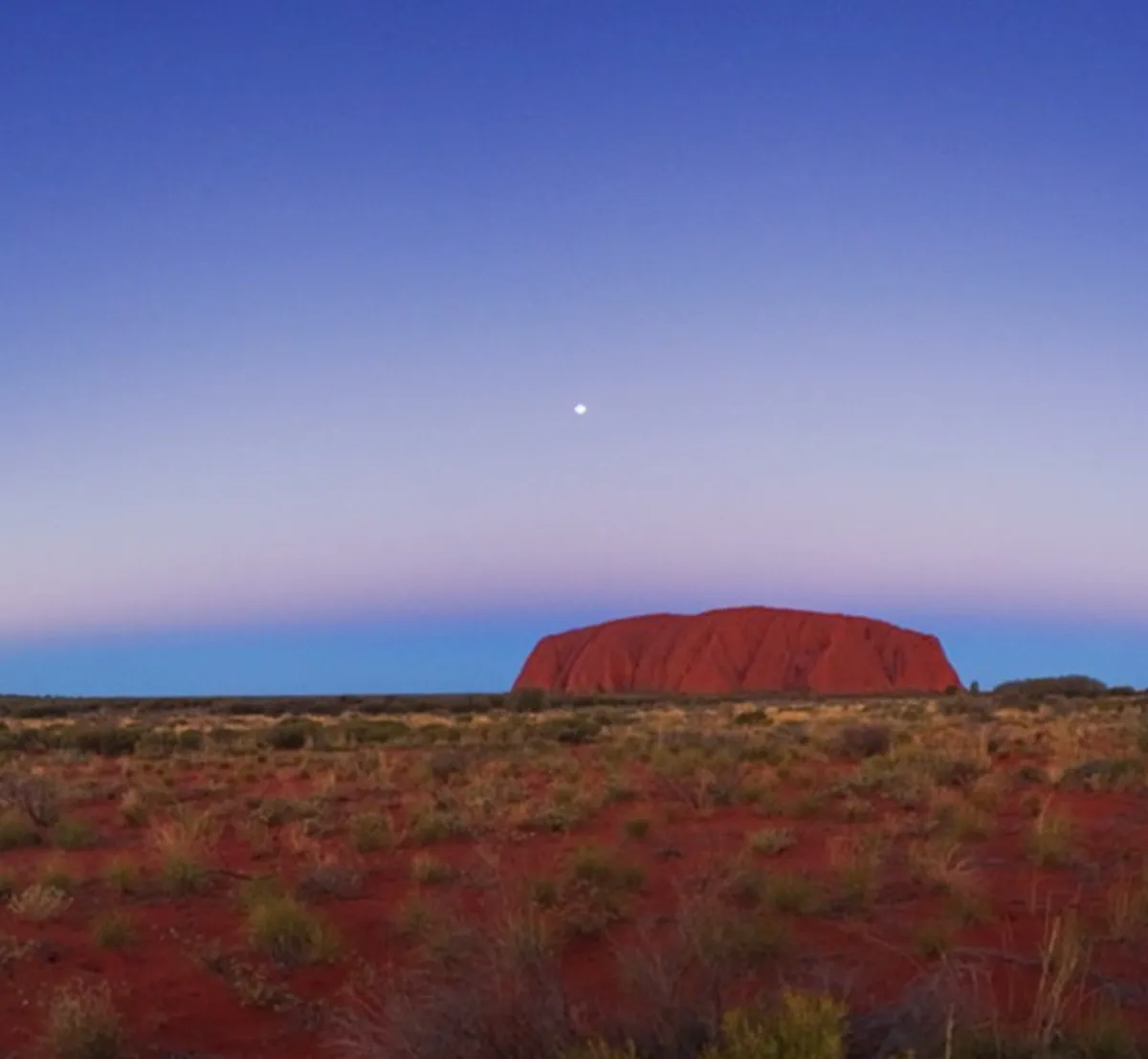
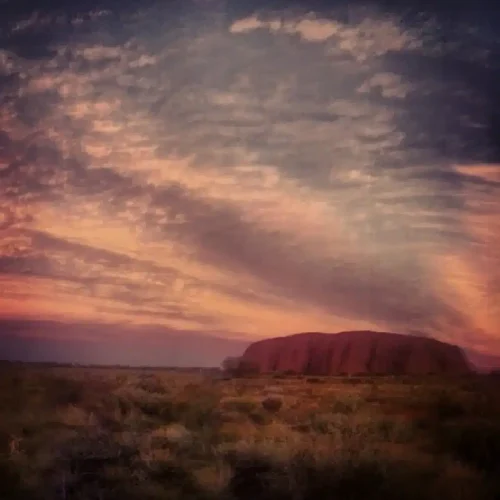
Sunset: A crimson hue that fades into dark purple sometimes overlays an orange background.
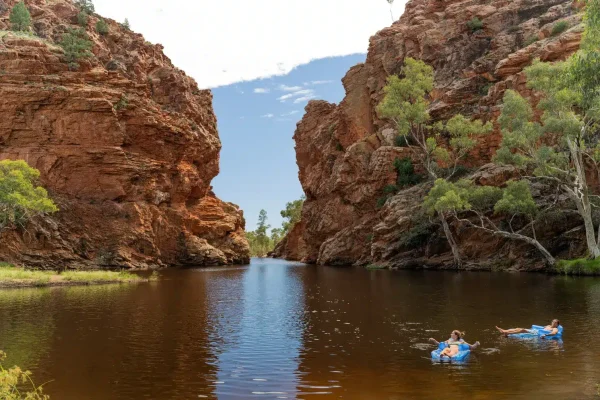
Explore the stunning landscapes of West MacDonnell Ranges on a guided tour like never before. Book your West MacDonnell Ranges tour today!
What you can see


Respecting Sacred Sites
Photography Guidelines
- Do not take photos in restricted areas or during any ceremonies.
- Always seek permission before shooting Aboriginal persons.
Essential Photography Gear
An appropriate set of equipment is required to capture fantastic images at Uluru. A good camera body, lenses (wide-angle for sweeping landscapes, telephoto for detailed sunrise), and a sturdy tripod (for early morning and late evening) are essential for landscape photography here. Here’s a quick rundown:
- Camera: A DSLR or mirrorless camera capable of manual settings is ideal.
- Lenses: A wide-angle lens (for landscapes) and a telephoto lens (for detailed shots).
- A tripod is essential for stable shots at sunrise or sunset during low light conditions.
- Filters: Consider polarizers to enhance the sky and ND filters for long exposures.
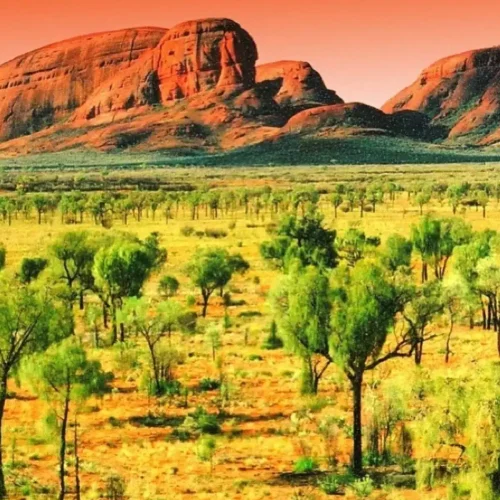
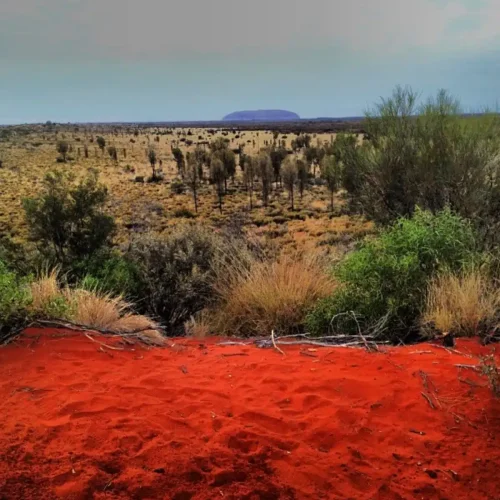
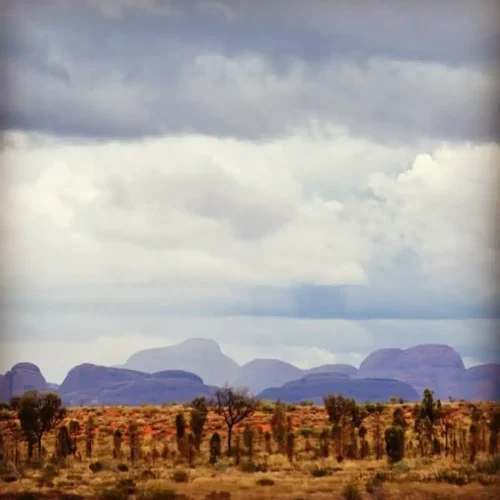
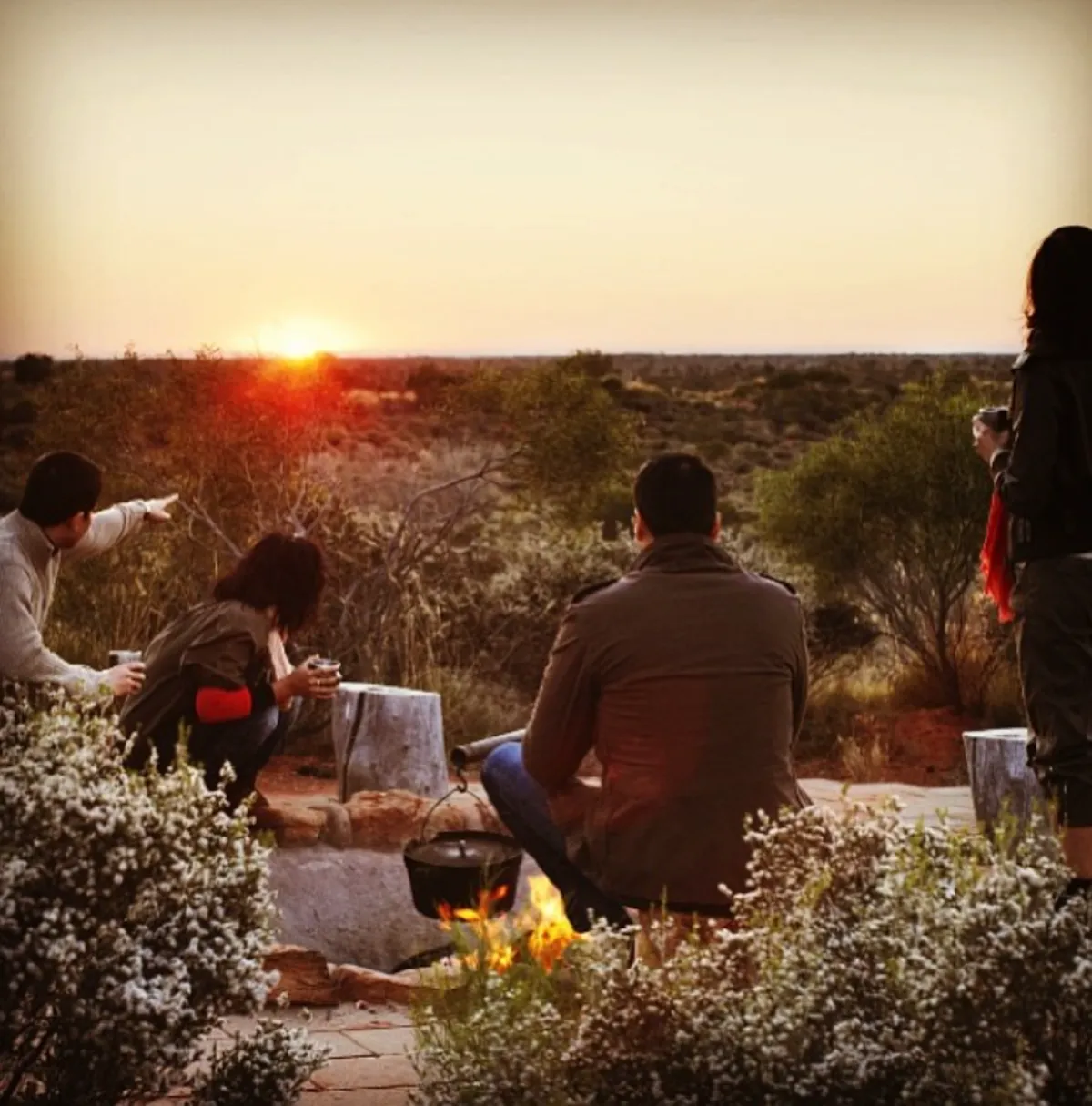
In addition, photographers must be prepared to face harsh desert conditions. Dust covers for equipment, ample water supply, but most importantly, protect yourself with hats and sunscreen from the scorching sun and burning winds. Talinguru Nyakunytjaku is situated in such a way that it provides a perfect position to view sunrise over both Uluru and Kata Tjuta in the distance, hence making it an ideal place on Earth to see the rising sun. It would be best if you arrived more than one hour earlier so that prior arrangements can be made without rushing about trying to compose your shot correctly.
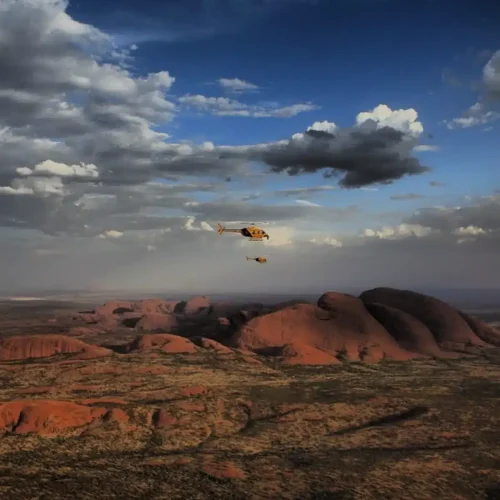
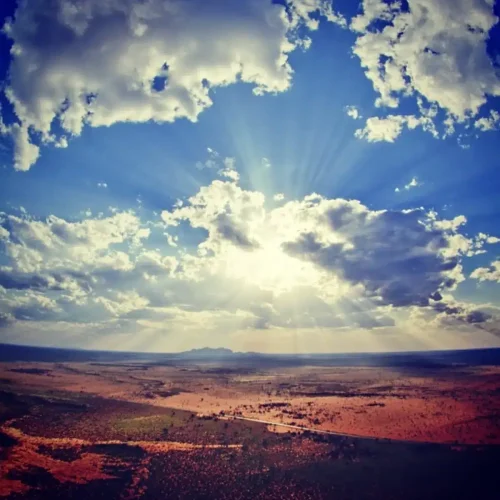
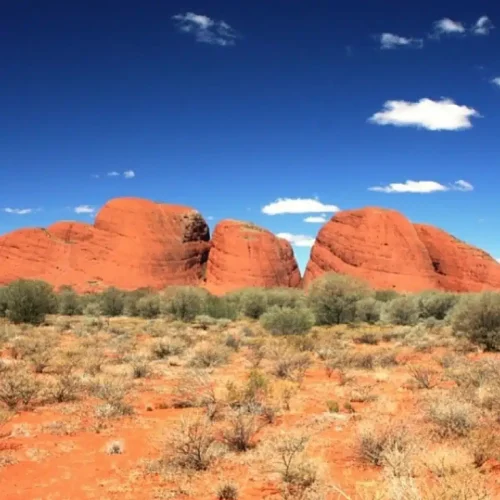
It is important to remember that operating a drone requires technical expertise and a sense of responsibility. Photographers should note that breaking these regulations does not just disrespect the Anangu but can also lead to confiscation of equipment and fines being imposed. For those who have been granted permission, drone photography can photograph the vast desert landscape, juxtaposing red earth with a bright sky and the immense presence of Uluru and Kata Tjuta when seen from above through its eye. Properly capturing these aspects may present an impressive display of this park’s unique geological and cultural landscape.
Engaging with the Anangu People
Conclusion
Taking photographs that represent Uluru means going beyond physically documenting a landscape. It’s an immense responsibility to illustrate the cultural and religious significance attached to this hallowed place while respecting the traditional law and customs of the Anangu people. As photographers, we use our cameras to tell stories about places we visit by helping us show respect towards Indigenous peoples’ heritage, traditions, etc.… By following guidelines and embracing Uluru’s spirit, photographers can create works that are both visually appealing and culturally enlightening.
FAQ
When is the best time to photograph Uluru?
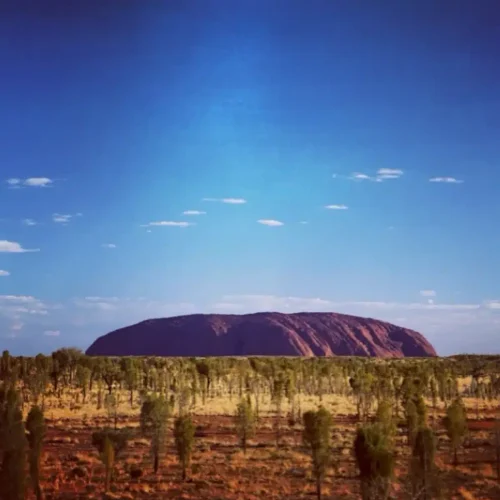
The favourable months for taking pictures of Uluru are May through September, the more excellent period. One advantage is that during these months, the sky is usually clear, while a fall in temperature makes it more conducive for photography and exploration.
Am I allowed to take photographs of Uluru at night?
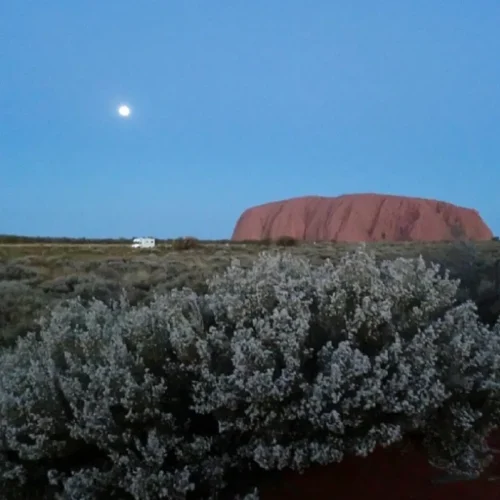
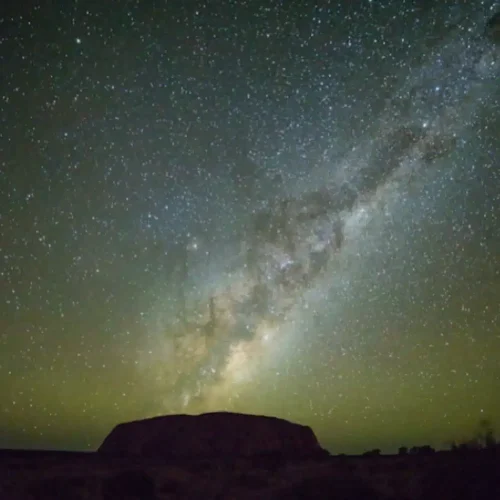
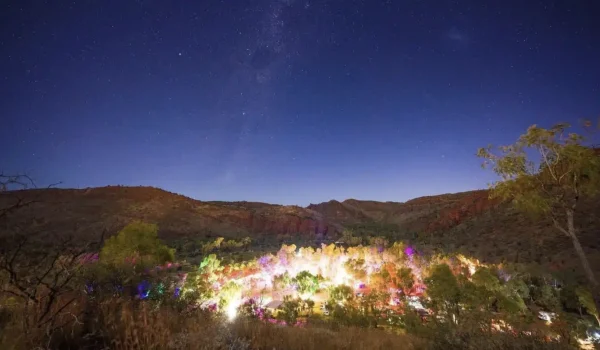
Uluru permits night photography, but this activity strictly follows specific park rules. It also requires that photographers stick to marked paths and areas where the use of artificial lighting sources is limited so as not to disturb the ecosystem, leading to darkness on the earth.
Are there any photo tours available at Uluru?
Yes, many photography tours are designed to suit different skill levels or interests. Such excursions are led by professional photographers who know all the good locations and times to capture images of Uluru. They also provide helpful tips on technicalities and artistic elements used in photography.
How can I avoid offending the indigenous people with my photographs?
To ensure your photography is respectful, always follow the park’s regulations, seek permission before photographing Anangu or cultural activities and keep away from restricted areas. Learning about Anangu culture and site significance also helps you maintain respectfulness.
What should I do if a local person talks to me about taking pictures in their area?
If approached by a local person, be polite, listen to them, and state your purpose clearly. If they ask you not to take any more pictures or delete some of the photos taken, it is important that you oblige respectfully to honor their wishes and respect the cultural meaning of Uluru.
Related Tours
- Departure / Arrival
- 13:00 - 18:30
- Starts & Finishes
- Yulara / Alice Springs
- Days
- 3 Day / 2 Night
- Style
- Adventure
Experience Uluru, Kata Tjuta and Kings Canyon on a 3-day Yulara camping tour with guided walks, sunsets, and outback highlights. Perfect for travellers.
- 755 AUD
- Departure / Arrival
- 06:00 - 18:30 Style: Camping
- Starts & Finishes
- Alice Springs
- Days
- 4 / 3 nights
- Style
- Adventure
Explore Uluru, Kata Tjuta, Kings Canyon and West MacDonnell on a 4-day 4WD camping tour from Alice Springs. Includes hikes, camps and key highlights.
- 1245 AUD
- Departure / Arrival
- 13:00 - 18:30
- Starts & Finishes
- Yulara / Alice Springs
- Days
- 4 Days / 3 Nights
- Style
- Adventure
Explore Uluru, Kata Tjuta, Kings Canyon and West MacDonnell on a 4WD camping tour from Yulara: Sunrise hikes, rock art, and epic outback views.
- 1245 AUD
- Departure / Arrival
- 6:00 - 13:00
- Starts & Finishes
- Alice Springs / Yulara
- Days
- 2 /1 night
- Style
- Adventure
Discover the beauty of Uluru and Kata Tjuta on our two-day escape trip. Immerse yourself in the breathtaking landscapes and cultural significance of these iconic Australian landmarks.
- 560 AUD
- Departure / Arrival
- 13:55 - 13:00
- Starts & Finishes
- Yulara / Ayers Rock
- Days
- 2 Days / 1 Night
- Style
- Adventure
Small-group overnight Uluru and Kata Tjuta tour with sunset, sunrise hikes, camping, meals and expert guides in the Red Centre.
- 700 AUD
- Departure / Arrival
- 07:00-18:30
- Starts & Finishes
- Alice Springs
- Days
- 1 day
- Style
- Original
Immerse yourself in the beauty of nature on this amazing tour through the stunning West MacDonnell Ranges. Come join us and explore a unique landscape that’s been millions of years in the making.
- 175 AUD