The Best Time to Visit Uluru: A Seasonal Guide

Uluru, also known as Ayers Rock, is one of those places that many people put on their bucket lists. It is an amazing sight, a massive rock formation that is among the largest monoliths in the world. However, when you visit, it can have a significant effect on your experience overall. When you come at the right time, you will get lovely weather for your stay, a minimal number of people and all natural phenomena happening in this iconic spot. This article looks into the best and worst times to visit Uluru, looking at different seasons and weather conditions, among other factors that can make your trip here more fun than ever before.

Table of Contents

Cold Overnight Temperatures

Evenings in the Australian desert can actually be surprisingly very cold, especially during winter. Visitors should expect cold nights irrespective of which season they go there during. At night-time temperatures can drop significantly even reaching 0 degrees Celsius (32 degrees Fahrenheit) in some cases usually occurring between June and August when it is winter season. Therefore carrying warm layers is important for comfortable stay.

Cold Overnight Temperatures

Winter at Uluru (June to August)

Winter is often considered the best time to visit Uluru due to clear skies and enjoyable daytime temperatures; nevertheless, remember it gets cold at night. During the day, temperatures usually range from 12 to 25 degrees Celsius (Uluru, also known as Ayers Rock, is one of those places that many people put on their bucket lists. It is an amazing sight, a massive rock formation that is among the largest monoliths in the world. However, when you visit, it can have a significant effect on your experience overall. When you come at the right time, you will get lovely weather for your stay, a minimal number of people and all natural phenomena happening in this iconic spot. This article looks into the best and worst times to visit Uluru, looking at different seasons and weather conditions, among other factors that can make your trip here more fun than ever before.), making it appropriate for hiking without fear of heat stroke or other emergency illnesses. Also noteworthy about the winter period is its enhanced visibility, consequently making it one of the best periods for taking photos while sightseeing. The slightly cooler temperatures create a relaxed outdoor atmosphere suitable for exploring various walking routes, including Mala Walk or Uluru base walk, which are popular options among visitors to these sites. Furthermore, winter brings with it some well-known events at Uluru, such as the Desert Awakenings tour, where participants get treated to a beautiful sunrise over this ancient territory. Furthermore, during clear winter skies one could enjoy watching stars and attend Wintjiri Wiru light show. This event which is done by Bruce Munro an artist uses powerful telescopes and light installations to bring out the beauty of the night sky as well as the desert terrain around it.
Dry Season versus Wet Season

Dry Season versus Wet Season

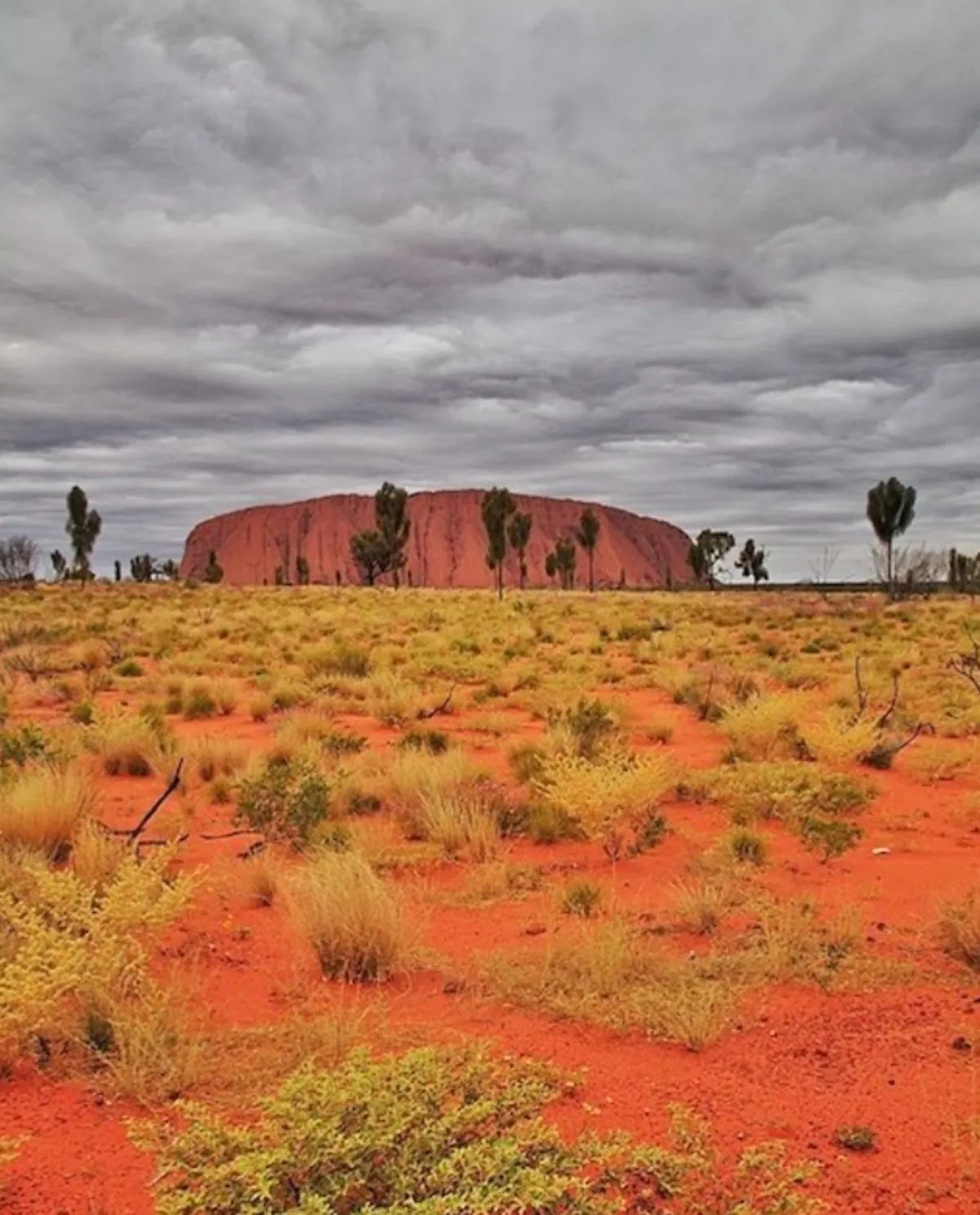
Uluru has two major seasons that are; dry season and wet season. Knowing these variations can help you decide on a perfect time for your trip there. Uluru’s dry season runs from April to October and it is characterized by clear skies with sporadic rainfall hence making it the most preferred period for visiting. The temperatures are more manageable, and visibility is excellent, all great conditions to take photography tours or cultural tours.

The Dry Season (April to October)

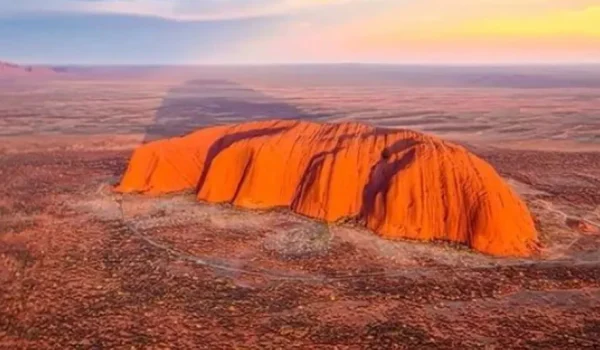
Uluru’s dry season is usually characterized by clear skies with low rain amounts hence making it the most recommended time to go there. It has favorable temperature range also with good visibility in place being some of the reasons why many people choose this particular time for their visits especially when they want to go out on cultural or photo shooting expeditions. This period coincides with peak tourist season; therefore, visitors should make early bookings for accommodation and tour packages since they get filled up quickly. The average temperatures during this period range between 10 and 25 degrees Celsius (50-77 Degrees Fahrenheit), which provides a comfortable climate for outdoor activities. Also, flying over Uluru during its dry spells particularly through helicopter rides remains unbeatable as tourists have panoramic views of this immense rock formation situated within vast desert expanses surrounding the region. These flights which cost extra give spectacular views of Uluru from above such that many people consider them as highlights of their visits here.

Dry Season versus Wet Season

The Rainy Season (November to March)

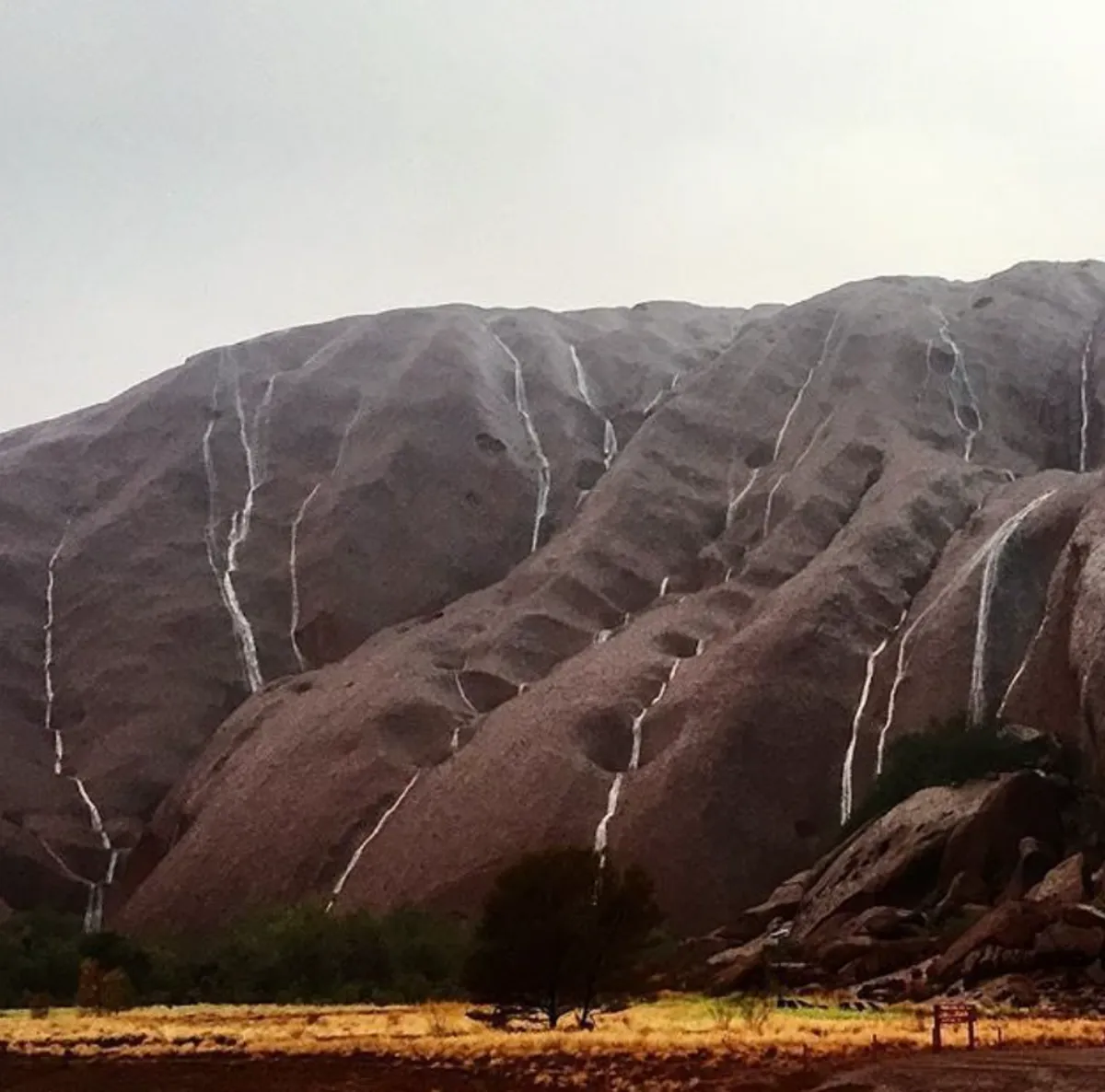
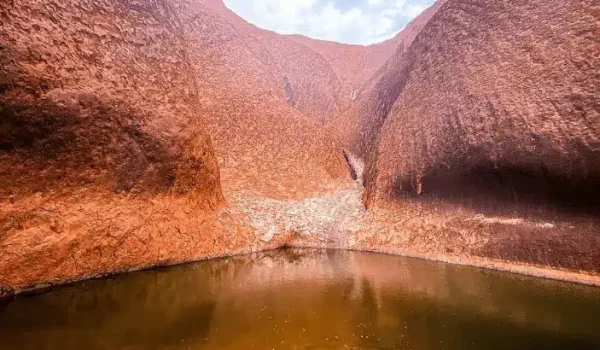
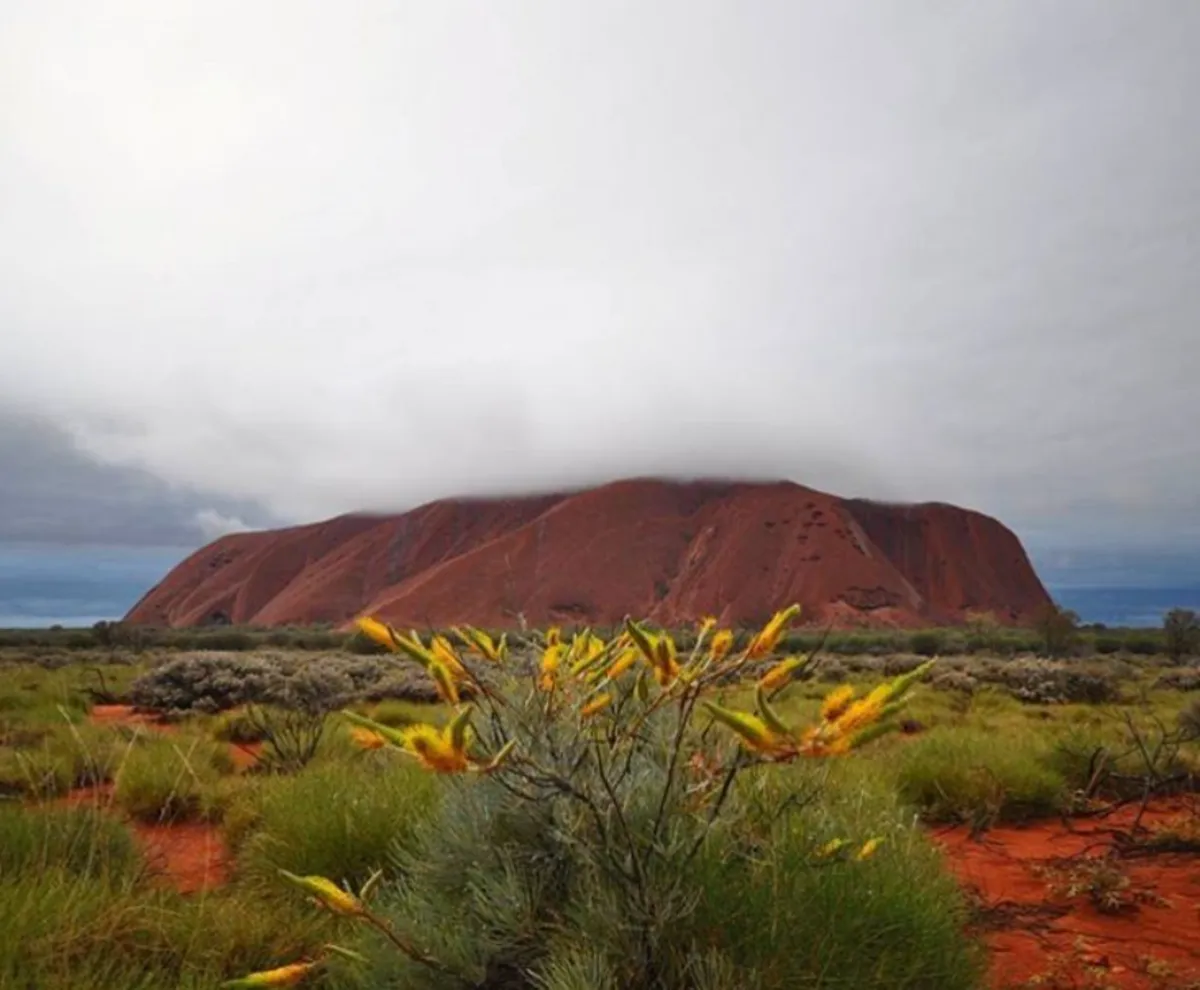
The wet season is accompanied by higher humidity and some periods of rain that bring about amazing waterfalls from Uluru. Nonetheless, the temperature can be uncomfortably high, and the risk of storms is higher. The period is marked by extreme weather characterized by very high temperatures, often above 35 degrees Celsius (95 degrees Fahrenheit), and an increased probability of rainfall. Nonetheless, through the scorching heat, one may enjoy seeing incredible afternoon storms and rare falls formed on Uluru during heavy downpours. However, visitors should be ready for monsoonal storms and isolated showers that may occur during this time.

The best months to visit Uluru

Usually May-September is the time when it’s great to tour around Uluru because of cooler drier conditions. In this time-frame outdoor activities are more comfortable due to mild weather. It would be better to explore this place without danger of sunstroke as well as good visibility for photography purposes on account of low temperatures and clear skies.

Spring at Uluru

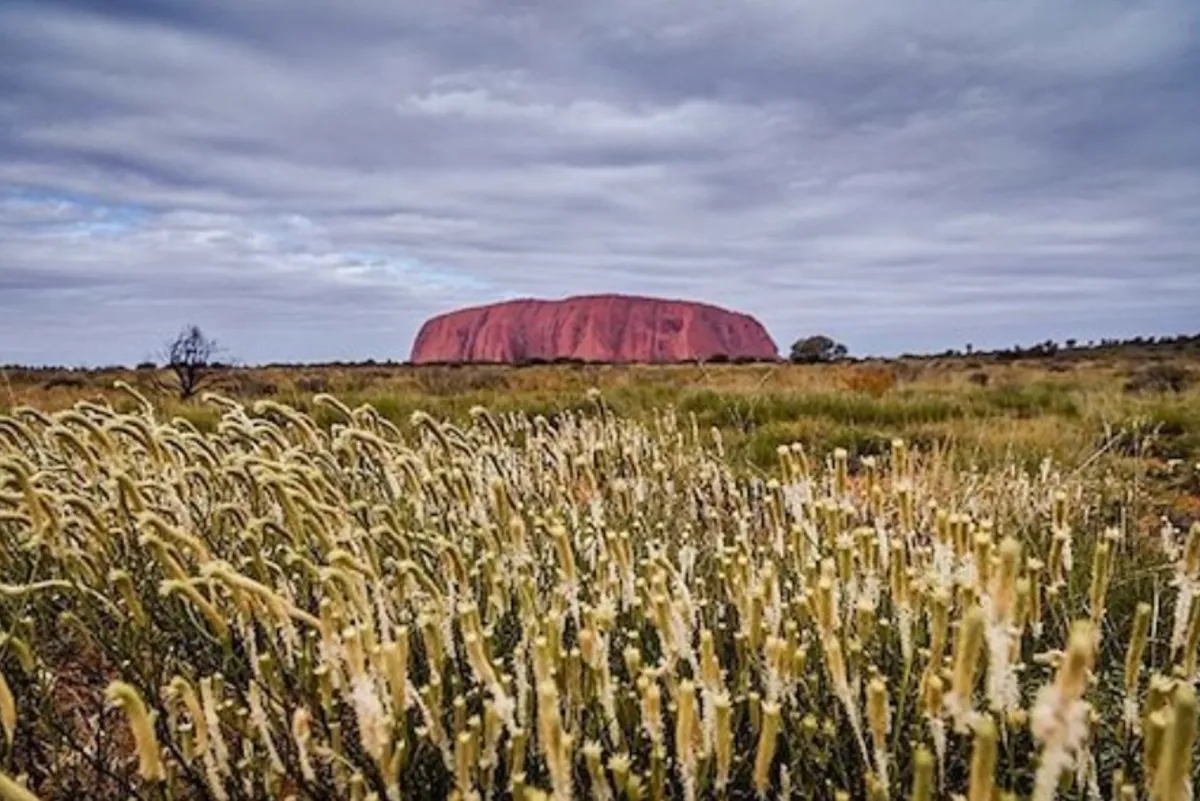
Another ideal opportunity for a trip to Uluru is in spring. From September through November, milder temperatures prevail while the desert blossoms with wildflowers. This interval suits those tourists who wish to avoid crowded places but still intend to have a nice warm interior and picturesque landscapes before their eyes.

Autumn at Uluru

Autumn or spring which lasts from March until May may also be considered as an alternative good time to visit Uluru. The weather is warm but not excessively hot; evenings cool down making it a comfortable period for outdoor activities and exploring the local cultural heritage. Ready for an epic road trip? Our Uluru to Adelaide tour takes you on a scenic drive through the heart of Australia.
The best months to visit Uluru
The best time of day

The best time of day

The time of the day can significantly influence your experience at Uluru. Early mornings and late afternoons are typically when you should wander around, avoiding midday heat and enjoying sunrise or sunset views.

Sunrise at Uluru

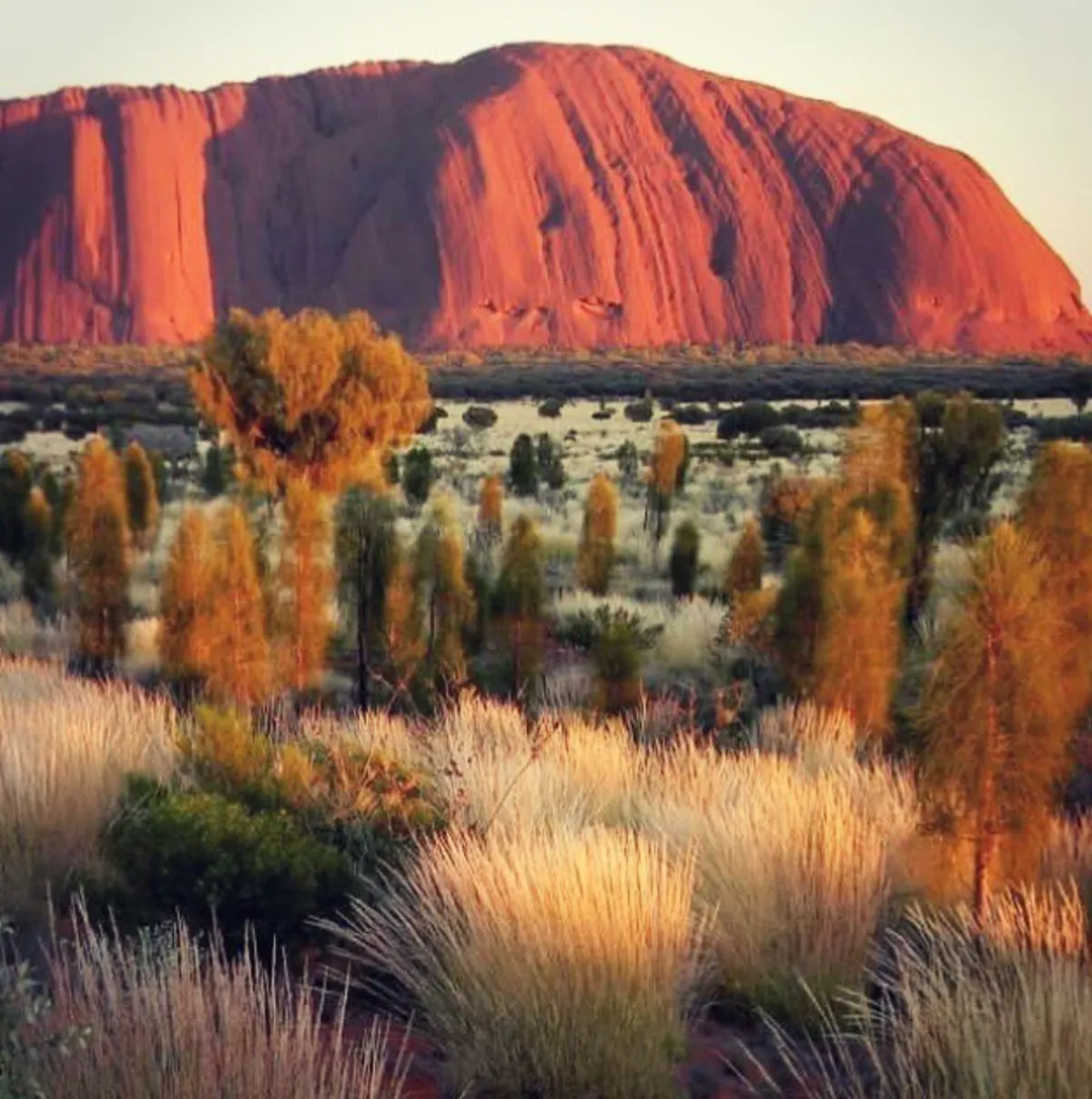
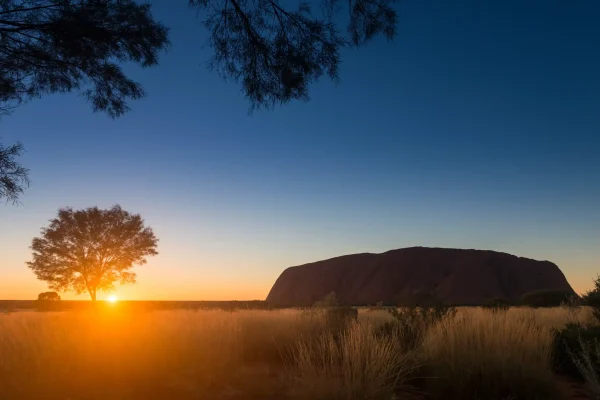
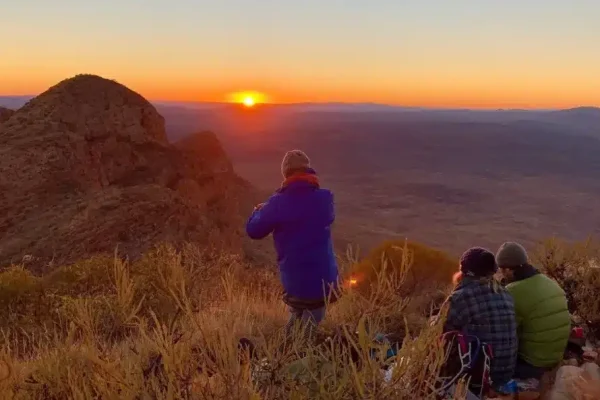
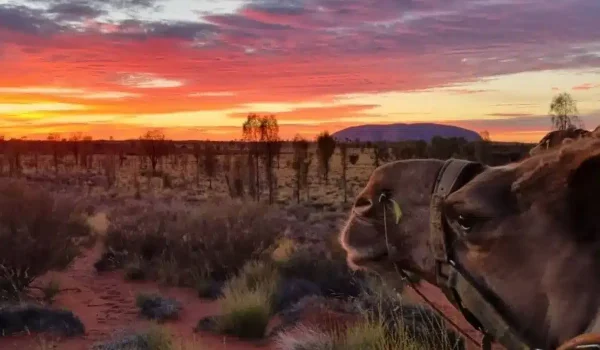
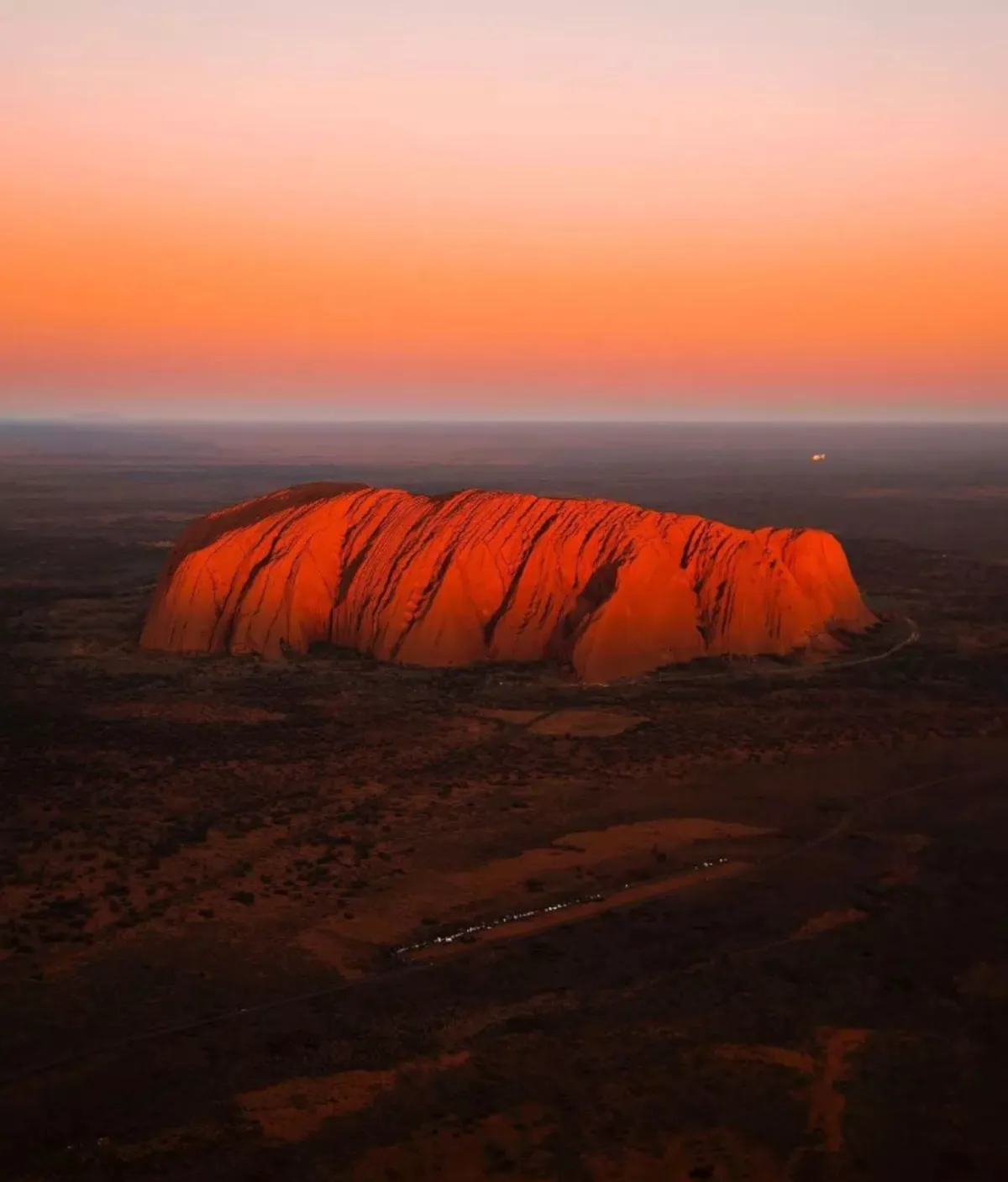
Seeing the sunrise at Uluru is like magic. The rock changes its colours as the sun goes up, which makes it absolutely amazing. Besides, early morning is suitable for starting any hiking trail because there are lower temperatures then, thus less tiredness during such an activity.

Sunset at Uluru

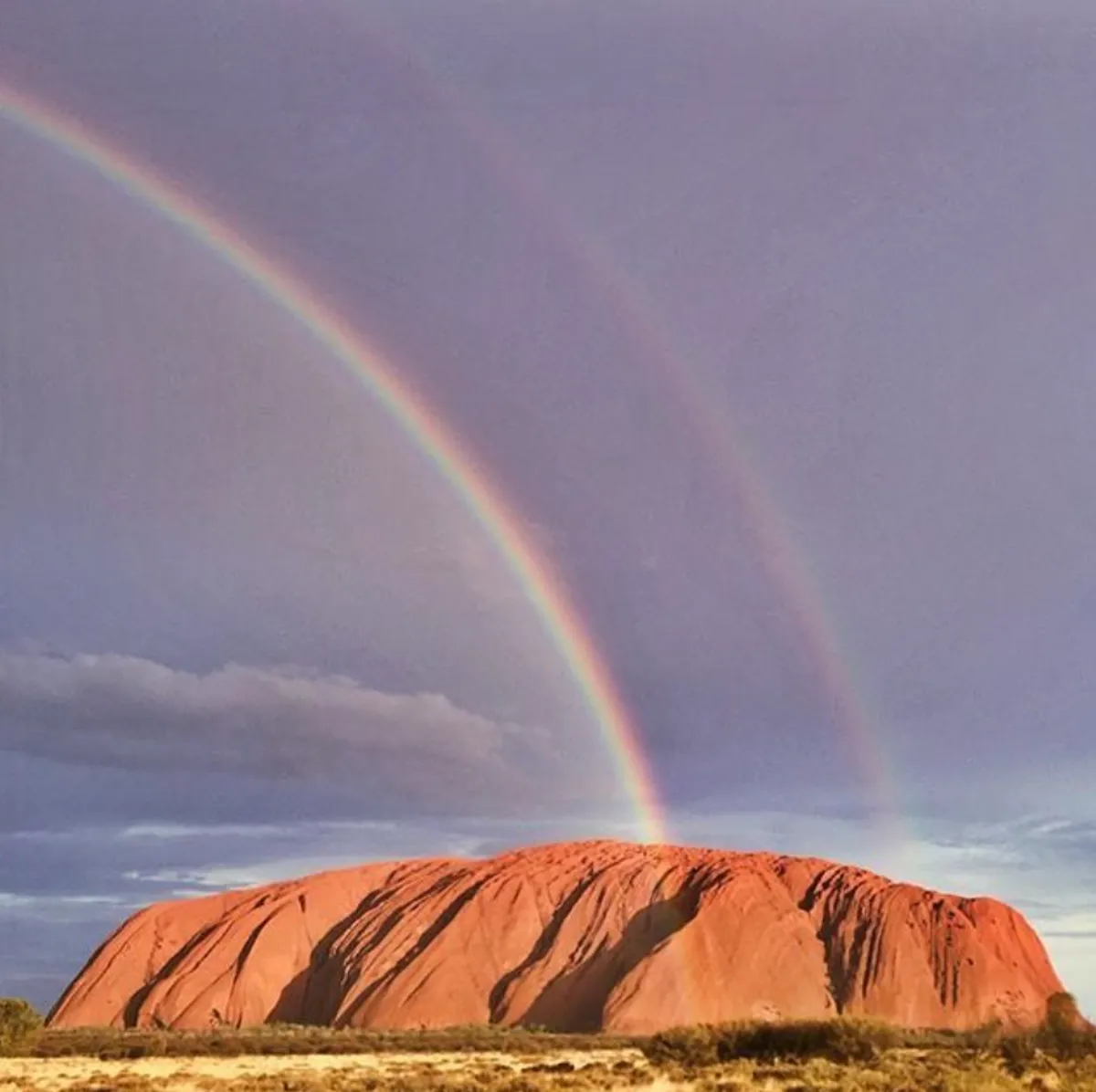
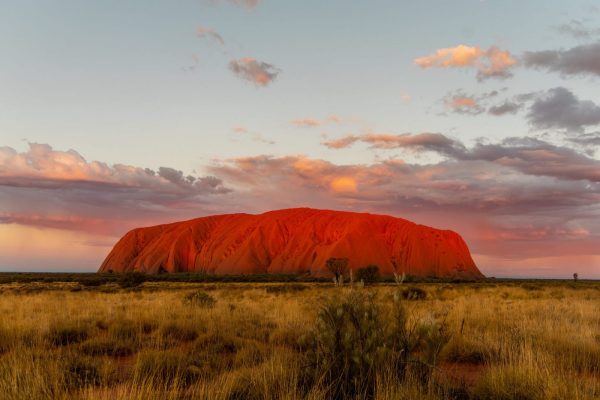
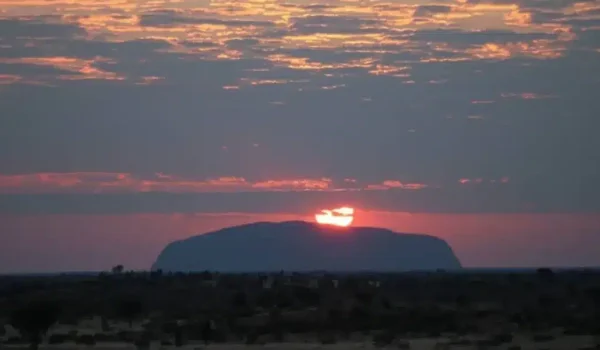
During the sunset, one may also observe how brightly rocks change their hues in front of sun. This is a perfect period to make splendid shots or have some quiet moments. In evening light Uluru looks more beautiful than ever turning into a great location for tourists’ photos.

Night Activities

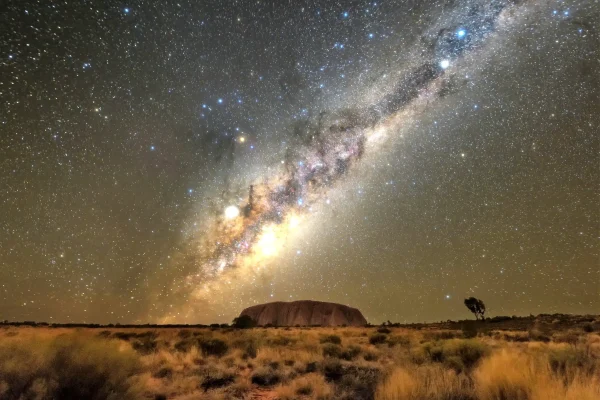
Cooler evenings in Uluru become great for stargazing and night-time activities. Clear desert skies offer a perfect background for watching stars and attending light shows such as Wintjiri Wiru. The night view of Uluru is one of most magnificent sights that provides us with an opportunity to enjoy Milky Way view among other fascinating celestial features.

Summer in Uluru (December to February) 

The summer season at Uluru usually becomes very hot, with temperatures regularly exceeding 40 degrees Celsius (104 degrees Fahrenheit). It is important to take necessary precautions against such heat despite the dramatic scenery. Therefore, having enough water, dressing appropriately, and avoiding any challenging activities during peak hours of the day are paramount for tourists visiting at this time. Even though it is very hot in summer, it can still be an amazing time to visit for those who can tolerate the excessive heat. For one thing the early mornings and late afternoons are better times to explore as they bring cooler temperatures and proper lighting suited for photography.

Embracing the Heat

Some people will want to experience winter alongside summer when visiting Uluru in summers. The story behind this is that severe weather changes bring out different aspects of desert making it look all the more rugged. Furthermore, summer travelers will have a chance of experiencing lesser crowds giving them an opportunity for a quieter encounter with famous monolith.

What to Pack

What to Pack?

Extreme temperature fluctuations make packing for Uluru quite difficult. Here’s what you need:

  • Daytime: Lightweight breathable clothing – During hot days one should dress lightly with clothes that offer protection from sunburns.
  • Nights: Warm layers – The cold evening temperatures may necessitate warm clothing.
  • Sun protection – A hat or cap, sunscreen and sunglasses are essentials in Australia, where harsh sun rays prevail.
  • Hiking boots: Comfortable footwear, including strong walking shoes, must be packed since one will always find oneself exploring hiking trails and rough grounds near Ayers Rock.
  • Water bottle: Carry your own water bottle since staying hydrated, especially during hotter months, is essential; not only practical but also an environmentally friendly option;
  • Insect repellants – pack some insect repellant because there might be some bugs in the desert causing discomfort.

Regardless of whether you’re travelling when it’s sunny or rainy seasons or any other month, having the right essentials ensures that you have a good time.
Join us on an unforgettable 3-day Uluru tour and experience the natural wonders of the Red Centre. Let us show you the best of this iconic destination.

Related Tours

Nature / Adventure

Immerse yourself in the beauty of nature on this amazing tour through the stunning West MacDonnell Ranges. Come join us and explore a unique landscape that’s been millions of years in the making.

187 AUD
Cultural / Adventure

Explore Uluru, Kata Tjuta and Kings Canyon on a 3-day camping tour from Alice Springs. Includes hikes, sunsets, cultural sites and expert guides.

Explore Uluru

Discover the beauty of Uluru and Kata Tjuta on our two-day escape trip. Immerse yourself in the breathtaking landscapes and cultural significance of these iconic Australian landmarks.

700 AUD
Uluru and Kata Tjuta

Experience Uluru, Kata Tjuta and Kings Canyon on a 3-day Yulara camping tour with guided walks, sunsets, and outback highlights. Perfect for travellers.

Explore Uluru and Kata Tjuta

Small-group overnight Uluru and Kata Tjuta tour with sunset, sunrise hikes, camping, meals and expert guides in the Red Centre.

700 AUD
Australia's / Best Hiking Trek

Experience the breathtaking beauty of the Larapinta Trail on this 5-day walking tour. Immerse yourself in the stunning landscapes and discover the ancient Indigenous culture along the way.

Related Articles