A Quick Look At The History That Shapes This Range
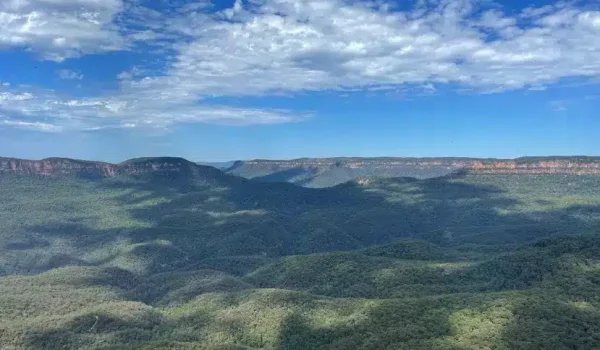
The Great Dividing Range is Australia’s ancient eastern spine—around 3,500 kilometres of jagged peaks, sheer escarpments, high plateaus, and deep river gorges stretching from Far North Queensland to western Victoria. Long before European arrival, First Nations peoples crossed these mountains along traditional pathways to attend ceremonies, trade, and follow seasonal cycles. In northern New South Wales, Gumbaynggirr Country spans landscapes shaped by the extinct Ebor volcano and the Dorrigo Plateau.
Early European crossings included Francis Barrallier’s 1802 expedition during Governor King’s term, followed by the landmark 1813 crossing by Gregory Blaxland, William Lawson, and William Charles Wentworth—which opened a route toward the Bathurst Plains under Governor Macquarie and triggered rapid pastoral expansion and frontier conflict across inland NSW.

| Category | Essential Fact |
|---|---|
| Total Length | ~3,500 km from Cape York (QLD) to the Grampians in western Victoria |
| Highest Peak | Mount Kosciuszko — 2,228 m (Snowy Mountains, NSW) |
| Geological Timeline | Formed primarily during the Carboniferous period over 300 million years ago |
| Climate Zones | Tropical, subtropical, temperate, and alpine |
| Bushfire Window | December–February across NSW and Victoria |
| Best Hiking Season | April–October (or summer for high-altitude alpine trails) |
| Annual Snowfall | Heavy winter snow across the Snowy Mountains and Victorian Alps |
| Driving Reality | Narrow, winding mountain passes with fog and black ice risk in winter |

Main Hiking Areas Along the Great Dividing Range
From misty tropical rainforest gullies in Queensland to wind-swept granite tors and snow-gum plateaus in the south, each section of the Great Dividing Range offers its own distinct terrain, wildlife, and walking trails.
Below are nine flagship national parks where you can lace up your boots and experience the scale of Australia’s eastern mountain chain.
Eungella National Park (QLD)
Perched high above the Pioneer Valley west of Mackay, Eungella National Park showcases ancient volcanic ridges and cloud-wrapped rainforest. Bring sturdy hiking boots with solid grip—this humid rainforest habitat is famous for wild platypus sightings at Broken River and steep, misty walking tracks.
Lamington National Park (QLD)
Part of the World Heritage-listed Gondwana Rainforests of Australia, Lamington National Park protects lush subtropical rainforest, waterfalls, and mountain ridgelines. Follow the renowned Border Track along ancient volcanic terrain deeply significant to the Yugambeh and Bundjalung peoples.
Border Ranges National Park (NSW/QLD)
Also part of the Gondwana Rainforests, Border Ranges National Park sits along the northern rim of the massive Tweed Volcano erosion caldera. Lookouts along the Tweed Range Scenic Drive deliver sweeping views across Mount Warning (Wollumbin) toward the coast, illustrating why early explorers found these escarpments so formidable to cross.

Blue Mountains National Park (NSW)
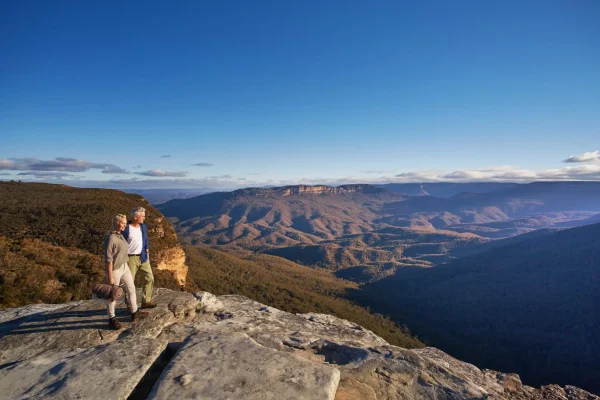
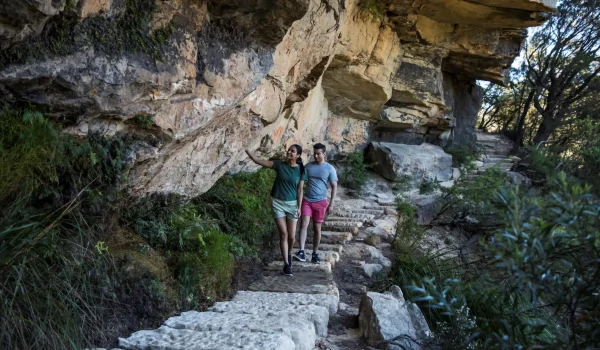
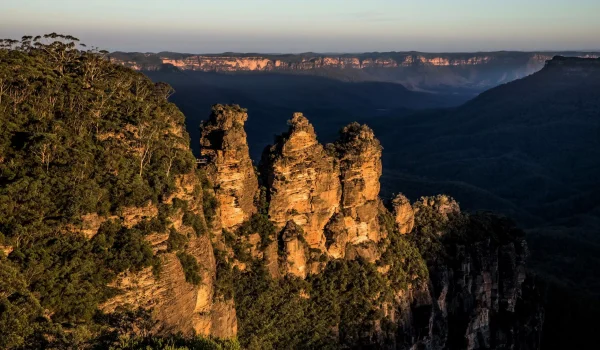
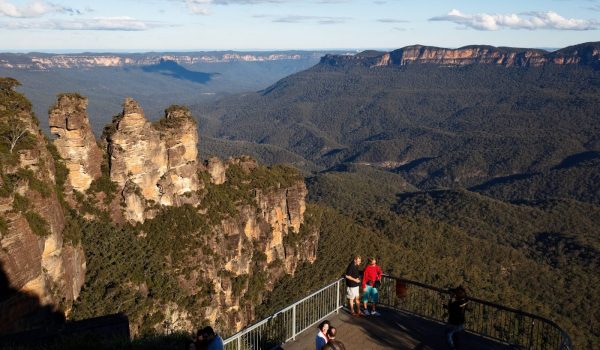
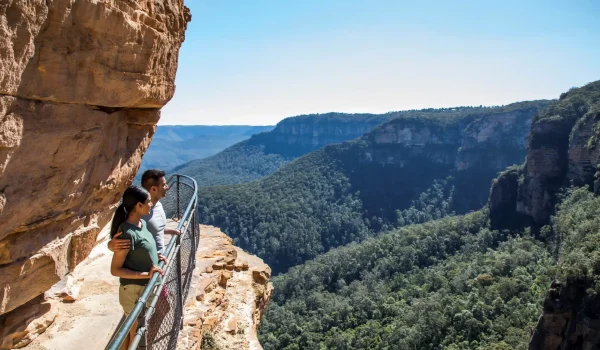
One of Australia’s most celebrated stretches of the range, Blue Mountains National Park rises dramatically west of Sydney. From Echo Point and Wentworth Falls to deep sandstone valleys draining toward the Coxs River and Burragorang Valley, you can explore historic bushwalk trails and spot native wildlife in the Blue Mountains on our 1 Day Blue Mountains Tour.
Kosciuszko National Park (NSW)
Home to Mount Kosciuszko (2,228 m), Kosciuszko National Park protects high-altitude alpine meadows, glacial lakes, and snow-fed headwaters of the Snowy Mountains. Whether hiking the summit track in summer or skiing in winter, conditions can shift from sunshine to blizzard winds within minutes.

Namadgi National Park (ACT)
Covering nearly half of the Australian Capital Territory, Namadgi National Park features weathered granite tors, sub-alpine frost hollows, and remote ridgelines linking into the wider Australian Alps network. Rapidly shifting mountain clouds and cold winds mean proper map navigation is essential.
Alpine National Park (VIC)
Victoria’s largest national park showcases the rugged High Country, with sweeping ridgelines, mountain ash forests, and high-altitude walking tracks feeding the Murray–Darling basin—where sudden fog and biting alpine winds keep hikers on their toes.
Baw Baw National Park (VIC)
For a more accessible alpine experience east of Melbourne, Baw Baw National Park offers snow-gum woodlands, boulder-strewn plateaus, and beginner-friendly trails—though winter temperatures still call for full cold-weather layers.
Grampians National Park (VIC)
The dramatic western finale of the Great Dividing Range rises in Grampians National Park (Gariwerd), famous for tilted sandstone peaks, waterfalls, and ancient Aboriginal rock art. Experience it on our 1 Day Grampians National Park Tour.
From Queensland’s Highlands to Victoria’s Peaks
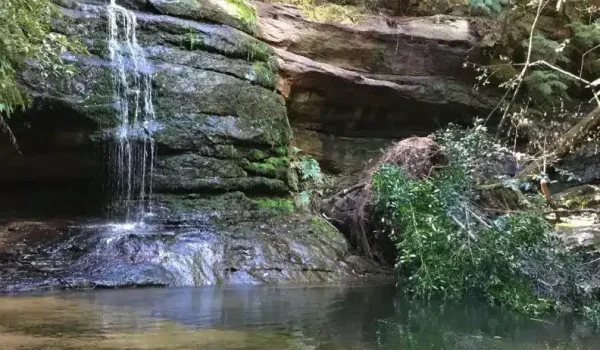
Travelling the length of the Great Dividing Range from Queensland to Victoria is a classic Australian overland adventure across plateaus, escarpments, and river valleys—featuring magnificent Blue Mountains waterfalls, seasonal wildflowers, and native wildlife encounters.
Exploring from Sydney? Pair a 1 Day Hunter Valley Wine Tour with a crisp mountain escape into the Blue Mountains on our Blue Mountains Sunset Tour for fresh highland air and panoramic valley views.
Why Planning Ahead Makes Your Trip Easier
Hitting the road without preparation in the Great Dividing Range is asking for trouble. Because the range spans thousands of kilometres of steep mountain passes, sudden fog, wildlife on the road at dusk, and patchy mobile reception, relying solely on live phone GPS can leave you stranded.
Checking Parks Victoria, NSW National Parks, or Queensland Parks alerts before departure helps you avoid seasonal road closures, steep-grade overheating, and missed trailheads.


Seasonal Realities You’ll Want To Factor In
Crossing the range depends as much on seasonal timing as distance:
- Summer (Dec–Feb): High bushfire risk, heatwaves, occasional track closures, and sudden afternoon storms.
- Autumn (Mar–May): Crisp air, clear skies, and ideal conditions for scenic driving and long hikes.
- Winter (Jun–Aug): Snow, black ice, closed alpine roads, and hypothermia risk in southern ranges.
- Spring (Sep–Nov): Snowmelt feeding waterfalls and peak wildflower displays, with muddy northern tracks from November.
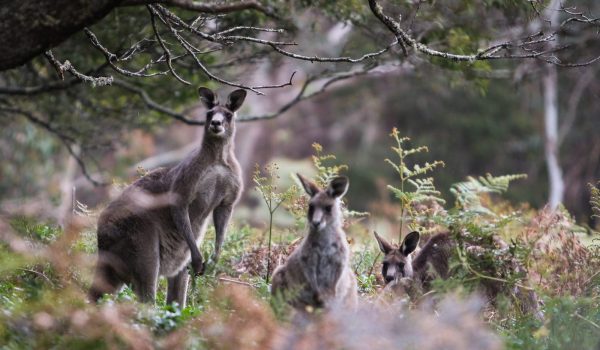
Wildlife on Mountain Roads: Kangaroos, wallabies, wombats, and emus are most active at dawn, dusk, and night—stick to daytime driving wherever possible.
Traveller-Tested Hacks for Crossing the Range
- Always carry extra drinking water in your vehicle—especially on remote stretches between regional towns.
- Download offline topographic maps rather than relying solely on mobile data in deep valleys.
- Leave a clear trip plan and expected return time with someone reliable before remote hikes.
- Start early in the morning to beat afternoon mountain storms and coastal fog.
- Keep a spare pair of dry merino socks sealed in a waterproof dry bag.


What To Pack For A Remote Journey
Your pack doesn’t need to be heavy—just built for sudden shifts in temperature and elevation across the Great Dividing Range:
- Thermal base layers (merino or synthetic—avoid cotton in alpine zones)
- Seam-sealed waterproof & windproof rain jacket
- Wide-brim sun hat, sunscreen, and UV sunglasses
Safety Kit
- Personal Locator Beacon (PLB) for remote tracks
- Paper topographic map and compass
- First aid kit including a compression snake bandage
Food & Water
- High-calorie trail snacks (nuts, dried fruit, energy bars)
- At least 2–3 litres of water capacity per person
- Electrolyte sachets for humid or steep climbs
Comfort Gear
- Blister treatment kit and strapping tape
- Spare dry socks in a zip-lock or dry bag
- Lightweight camp shoes and a compact headlamp
Frequently Asked Questions
How long does it take to cross parts of the Great Dividing Range?
Crossing a single section—such as driving from Sydney over the Blue Mountains via the Great Western Highway or Bells Line of Road—takes around 1.5 to 2 hours, while multi-day treks like sections of the Australian Alps Walking Track or Dorrigo Escarpment take several days depending on route and weather.
Do I need a permit or park pass to hike in these areas?
Yes, several national parks require vehicle entry fees or overnight camping permits—including Kosciuszko National Park and Blue Mountains National Park in NSW, as well as overnight campsites in Victoria’s Grampians and Alpine parks.
Can beginners tackle trails in the Great Dividing Range?
Absolutely. Alongside challenging multi-day peaks, there are plenty of accessible walks for beginners—such as Echo Point and Wentworth Falls lookouts in the Blue Mountains, Mount Baw Baw’s summit trail, and the Wonga Walk in Dorrigo National Park.
Is it safe to cross the range in the middle of winter?
Main sealed highways remain open year-round except during severe blizzards, though snow chains may be legally required in alpine zones. Backcountry winter hiking in the Snowy Mountains and Victorian Alps should only be attempted with proper alpine gear and experience.
Are these mountain landscapes culturally significant?
Yes—every section of the Great Dividing Range lies on Traditional First Nations Country, including Gundungurra, Darug, Gumbaynggirr, Ngunnawal, and Djab Wurrung / Jardwadjali lands. Always respect cultural heritage sites, rock art shelters, and park signage.
Explore Iconic Sections of the Great Dividing Range with Local Guides
From the sandstone cliffs of Sydney’s Blue Mountains to Victoria’s rugged Grampians National Park, discover Australia’s signature mountain landscapes without the stress of mountain driving.